
Top 5 Myths About Red Light Therapy Debunked


Understanding Red Light Therapy
Red light therapy has gained popularity as a non-invasive treatment for various health and wellness concerns. However, with its rise in popularity, several myths have emerged, leading to confusion and misconceptions. In this post, we will debunk the top five myths surrounding red light therapy to help you make informed decisions.
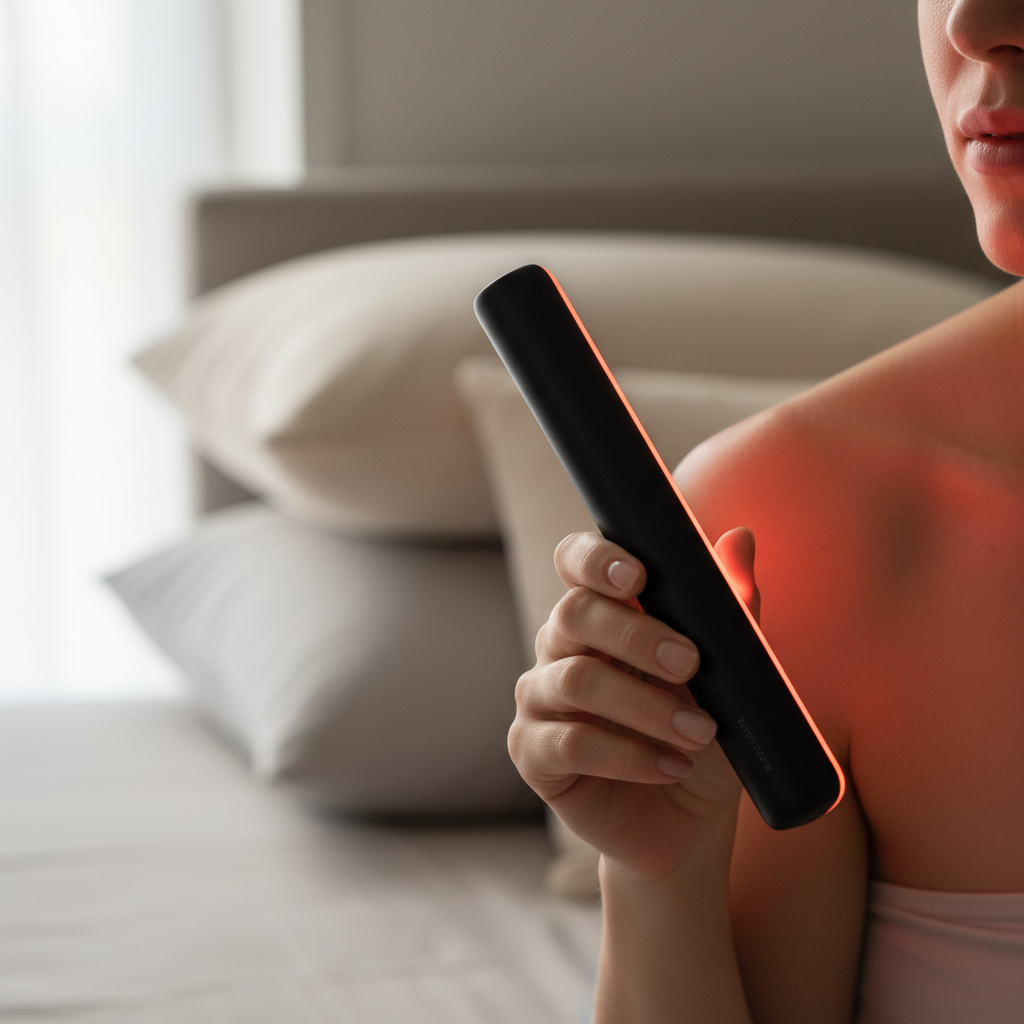
Myth 1: Red Light Therapy Is Painful
One of the most common misconceptions is that red light therapy is painful. In reality, the treatment is completely non-invasive and painless. The light used is low-level and does not generate heat, making it a comfortable experience for users. Most people describe the sensation as soothing and relaxing.
Myth 2: It’s Only for Skin Treatments
While red light therapy is widely recognized for its benefits in skin treatments, such as reducing wrinkles and acne, it offers much more. Studies have shown that it can aid in muscle recovery, reduce inflammation, and even improve mood. Its versatility makes it a valuable tool for overall health and wellness.

Myth 3: Results Are Instant
Another common myth is that results from red light therapy are immediate. Although some users may notice slight improvements after their first session, significant results typically require consistent use over a period of time. Patience and regular sessions are key to achieving the desired outcomes.
Myth 4: It’s Unsafe for Regular Use
Safety is a major concern for many considering red light therapy. However, numerous studies have confirmed that it is safe for regular use when following recommended guidelines. Unlike UV rays, red light does not damage the skin or increase the risk of cancer, making it a safe option for long-term use.

Myth 5: All Red Light Devices Are the Same
Lastly, there is a belief that all red light therapy devices are created equal. This is not true, as devices can vary significantly in terms of wavelength, power, and overall quality. It’s important to research and choose a reputable device that meets your specific needs. Higher-quality devices are more likely to deliver effective results.
In conclusion, red light therapy offers numerous benefits, but it’s essential to separate fact from fiction. By debunking these myths, we hope to provide a clearer understanding of this innovative treatment, helping you decide if it’s right for you.