
The Science Behind Red Light Therapy: How It Works and Why It’s Effective


Understanding Red Light Therapy
Red light therapy, also known as photobiomodulation, is a treatment that uses specific wavelengths of red and near-infrared light to promote healing and reduce inflammation. This non-invasive therapy is becoming increasingly popular for its wide range of benefits, from skincare to pain management.

The Science Behind the Treatment
The underlying principle of red light therapy is that certain wavelengths of light can penetrate the skin and stimulate cellular processes. These wavelengths, typically between 600 to 1000 nanometers, are absorbed by the mitochondria in cells. This absorption increases the production of adenosine triphosphate (ATP), which is the energy currency of cells.
By boosting ATP production, red light therapy enhances cellular function, leading to improved tissue repair and reduced inflammation. This makes it an effective treatment for a variety of conditions, including muscle pain, joint disorders, and skin issues.
Benefits of Red Light Therapy
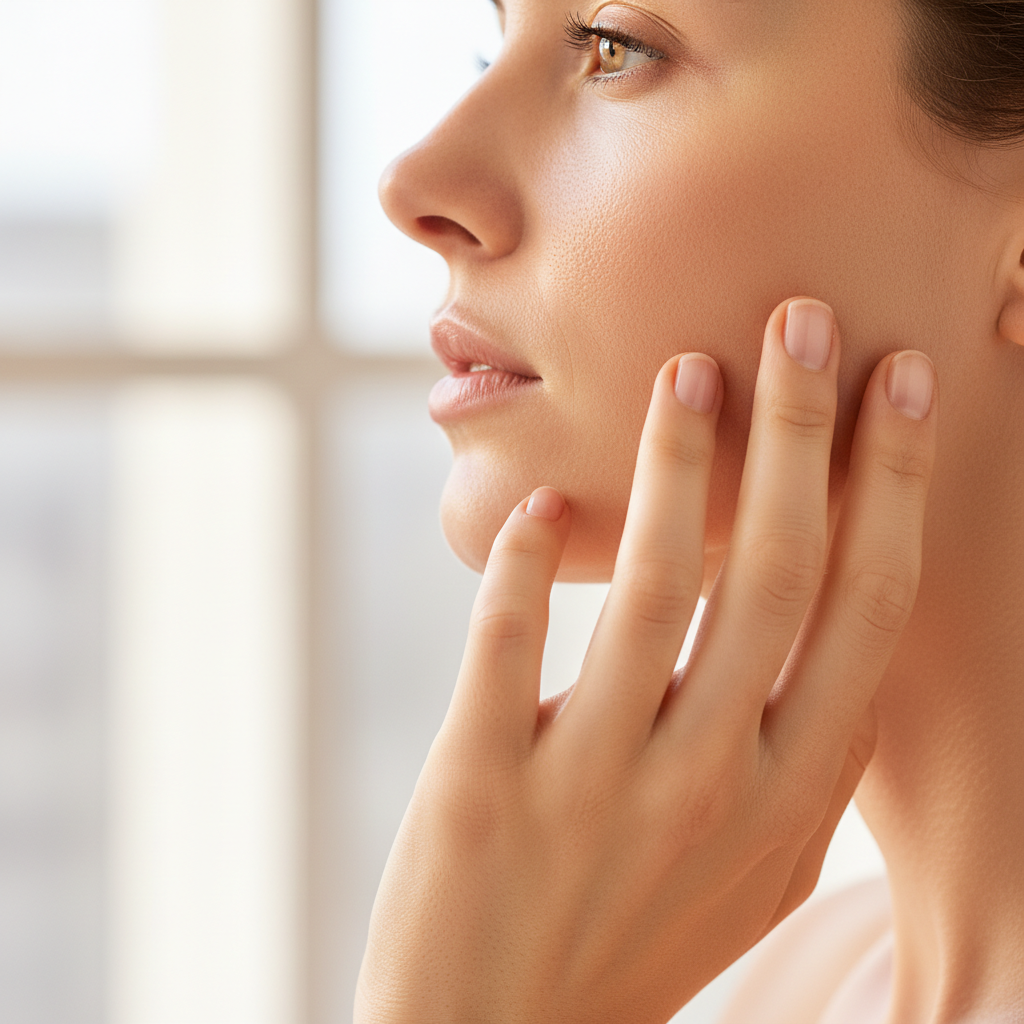
One of the most significant benefits of red light therapy is its ability to promote skin health. It can help reduce the appearance of wrinkles, fine lines, and age spots by stimulating collagen production. Additionally, it can accelerate wound healing and reduce scarring.
Beyond skincare, red light therapy is also beneficial for pain management. It can alleviate chronic pain conditions such as arthritis and fibromyalgia by reducing inflammation and promoting tissue repair. Athletes often use it to speed up recovery and reduce muscle soreness after workouts.
How to Use Red Light Therapy
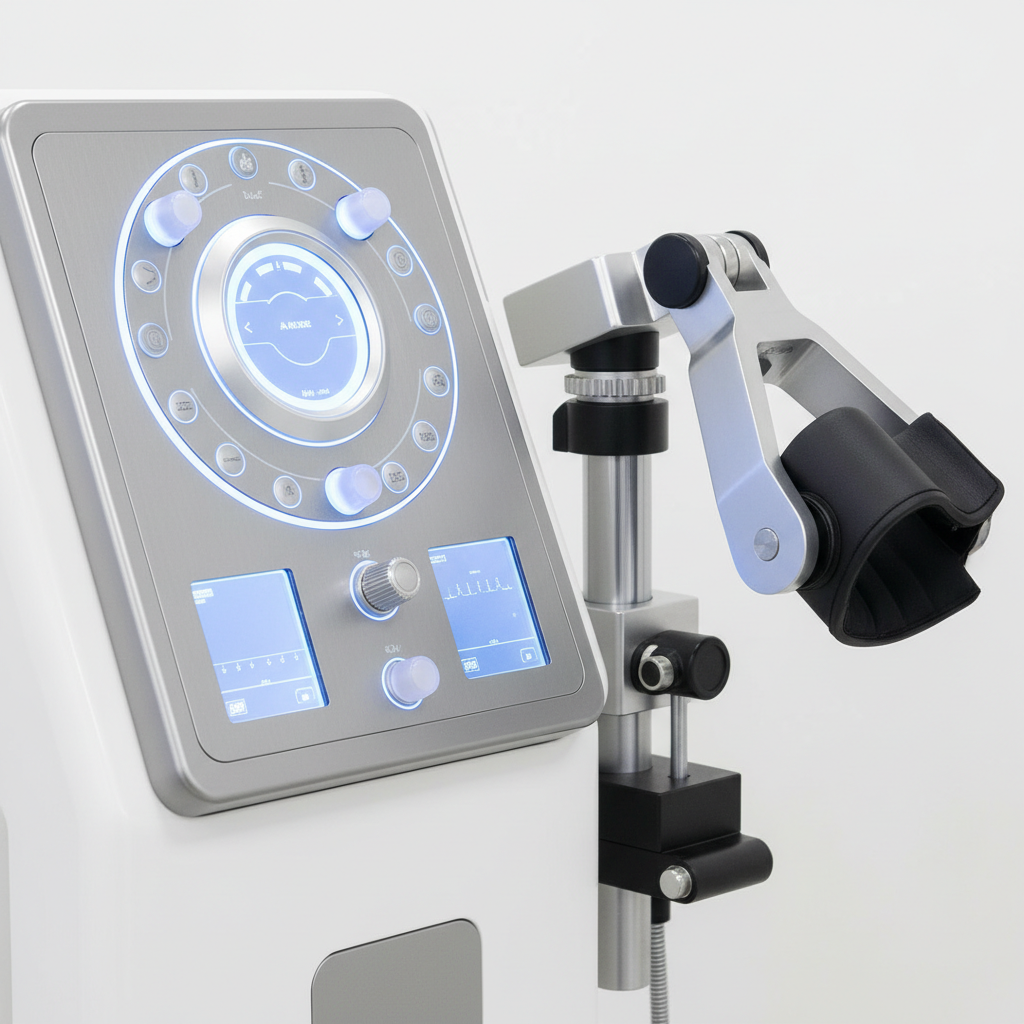
Red light therapy can be administered through various devices, including handheld gadgets, panels, and professional-grade machines. The treatment is generally painless and can be performed at home or in clinical settings.
When using red light therapy, consistency is key. Most treatments last between 10 to 20 minutes per session, with multiple sessions per week recommended for optimal results. It's important to follow the manufacturer’s guidelines to ensure safety and effectiveness.
Who Can Benefit from Red Light Therapy?
Red light therapy is suitable for a wide range of individuals. It is particularly beneficial for those suffering from chronic pain conditions, skin disorders, and inflammatory diseases. However, pregnant women and individuals with certain medical conditions should consult a healthcare provider before starting treatment.
As research continues to expand, the potential applications of red light therapy are likely to grow. Its ability to improve cellular function and promote healing makes it a promising treatment for many conditions.
Conclusion
Red light therapy is a scientifically-backed approach that offers numerous health benefits. By harnessing the power of light to enhance cellular function, it provides a natural and effective way to promote healing and well-being. Whether you're looking to improve your skin, manage pain, or accelerate recovery, red light therapy may be a valuable addition to your wellness routine.