
Preparing for Your First Acupuncture Session: What to Expect


Understanding Acupuncture
Acupuncture is an ancient healing practice that has been used for thousands of years. Originating from Traditional Chinese Medicine, it involves the insertion of thin needles into specific points on the body to balance energy flow, or Qi. If you're considering acupuncture for the first time, it's natural to have questions and perhaps a bit of apprehension about what to expect.
As you prepare for your first session, it's important to approach it with an open mind and a willingness to experience something new. Acupuncture is recognized for its potential to alleviate various conditions, from chronic pain to stress, and it can be a valuable component of a holistic health regimen.

Before Your Appointment
Before your first acupuncture session, there are a few steps you can take to ensure a smooth experience. First, choose a licensed and certified acupuncturist. You can usually find reputable practitioners through professional organizations or recommendations from your healthcare provider.
It's also helpful to wear loose, comfortable clothing to your appointment. This allows easy access to acupuncture points, which are often located on the arms and legs. Additionally, try to avoid consuming large meals or caffeine just before your session, as this can affect your body's response.
During the Session
When you arrive at the acupuncture clinic, you'll likely start with a brief consultation. The acupuncturist will discuss your health history and any specific concerns you have. This is a great time to ask any questions about the process.
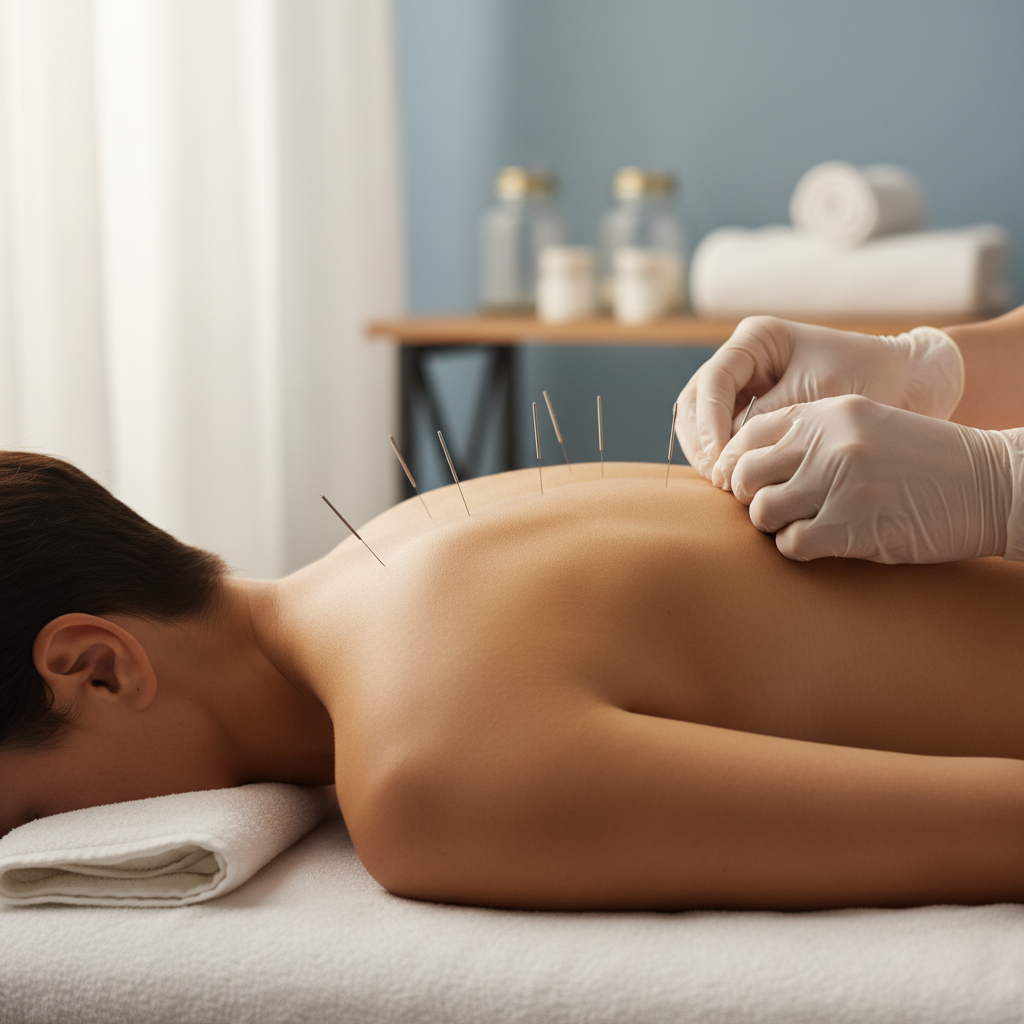
The actual acupuncture session typically lasts between 30 to 60 minutes. You'll be asked to lie down comfortably while the acupuncturist inserts needles into the designated points. The needles are very thin, so most people experience minimal discomfort. You might feel a slight tingling sensation or warmth in the area.
What to Expect After the Session
After your session, it's common to feel relaxed or even a bit drowsy. Some people report a boost in energy or mental clarity. It's advisable to take it easy for the rest of the day and drink plenty of water to help your body adjust.
You might notice immediate relief from your symptoms, or it could take a few sessions to see significant improvements. Consistency is key with acupuncture, so discuss with your acupuncturist the recommended frequency of visits based on your needs.
Common Misconceptions
Many people worry about the safety and pain associated with acupuncture. However, when performed by a licensed professional, acupuncture is generally safe and has minimal side effects. The needles are sterile and used only once, reducing the risk of infection.
Another common misconception is that acupuncture is solely for pain relief. In reality, it can support a wide range of health conditions, including digestive issues, anxiety, and insomnia.

Making the Most of Your Experience
To maximize the benefits of your acupuncture sessions, consider keeping a health journal to track your symptoms and improvements. Communicate openly with your acupuncturist about any changes you notice, as this feedback can help tailor your treatment plan.
Remember, acupuncture is just one tool in a comprehensive approach to wellness. Combining it with other healthy habits, such as a balanced diet, regular exercise, and mindfulness practices, can enhance your overall health and wellbeing.