
Preparing for Your First Acupuncture Session: A Beginner’s Guide


Understanding Acupuncture
Acupuncture is a traditional Chinese medicine practice that involves inserting thin needles into specific points on the body to promote healing and balance. If you're considering trying acupuncture for the first time, you might feel a mix of curiosity and apprehension. This guide will help you prepare for your first session, so you can approach it with confidence and ease.
Choosing the Right Practitioner
Finding a qualified and experienced acupuncturist is crucial. Look for practitioners who are certified by a reputable acupuncture board in your country. You can also ask for recommendations from friends, family, or healthcare providers. Once you've narrowed down your options, consider scheduling a consultation to discuss your health concerns and treatment goals.
What to Expect During Your Session
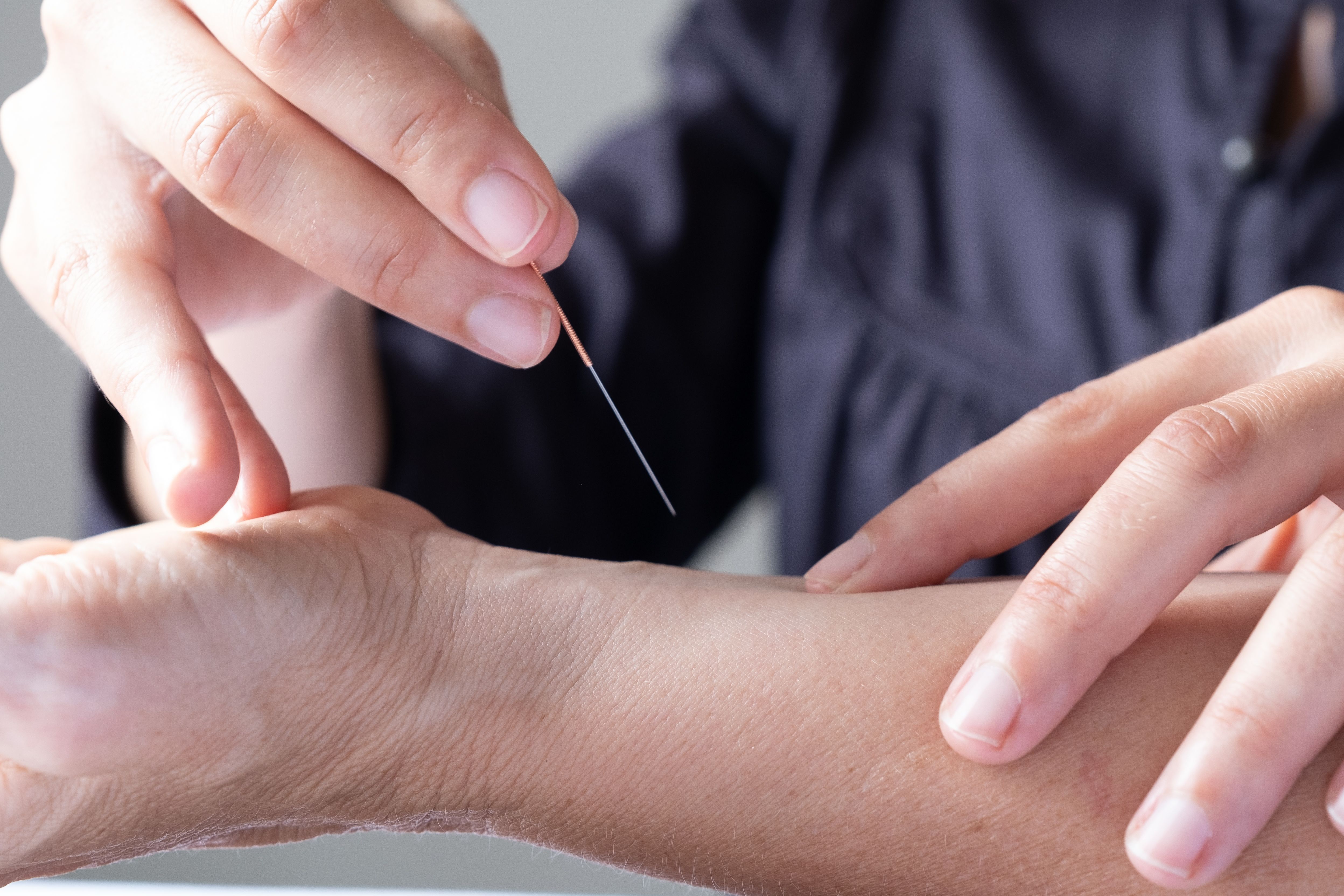
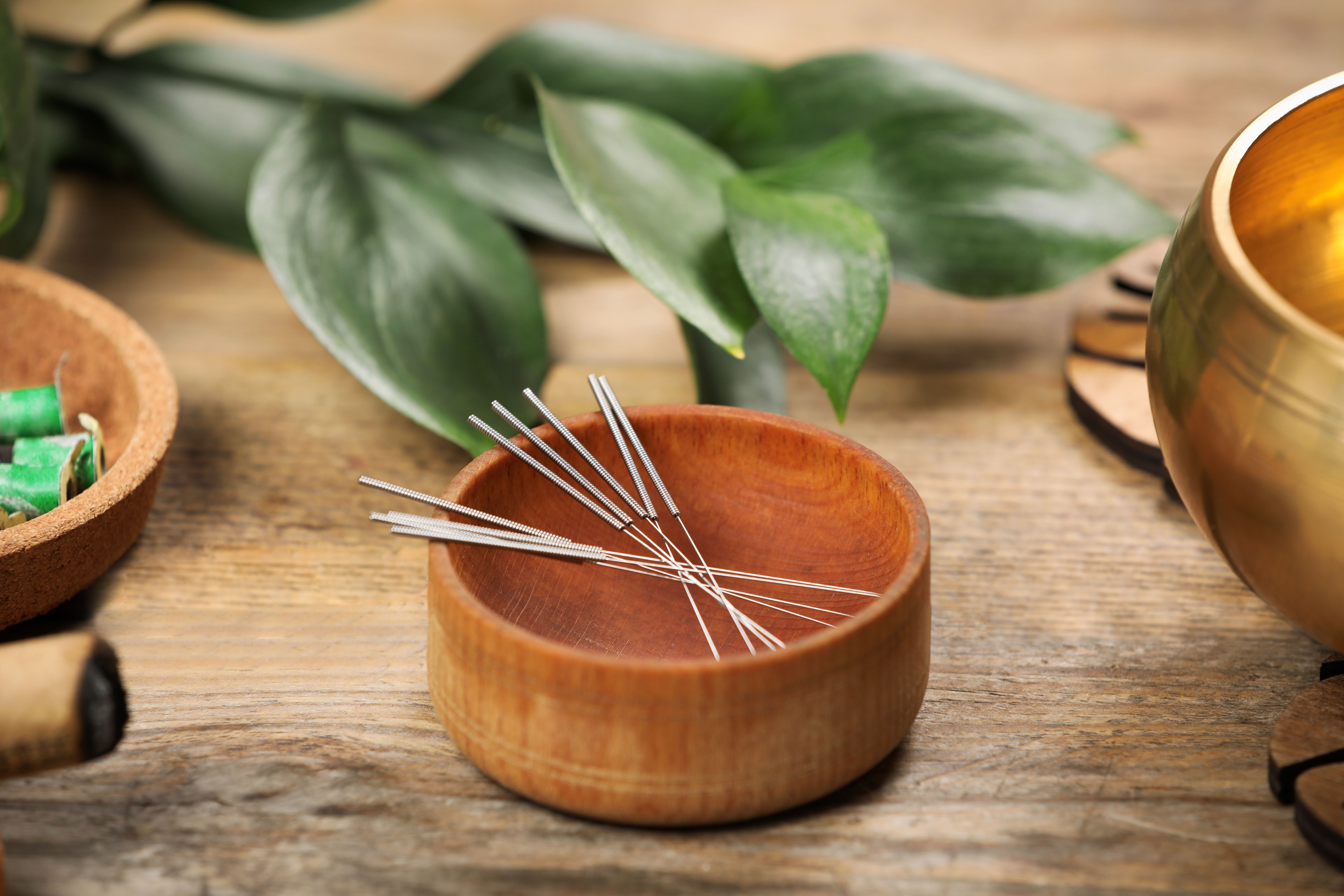
During your first acupuncture session, the practitioner will likely conduct a thorough assessment of your health history and current concerns. This may include questions about your lifestyle, diet, and emotional well-being. The actual acupuncture treatment involves inserting sterile, single-use needles into specific points on your body. You may feel a slight tingling sensation, but it should not be painful.
Preparing for Your Appointment
To get the most out of your session, there are a few steps you can take beforehand:
- Eat a light meal: Avoid heavy meals or fasting before your session to prevent discomfort.
- Wear comfortable clothing: Choose loose-fitting clothes that allow easy access to your arms and legs.
- Avoid caffeine and alcohol: These can affect your body's natural state and the effectiveness of the treatment.
Post-Session Care
After your session, it's important to take care of yourself to maximize the benefits of the treatment. Here are some recommendations:
- Stay hydrated: Drink plenty of water to help your body process the treatment.
- Rest: Allow yourself some relaxation time to let the effects of acupuncture settle in.
- Avoid strenuous activities: Give your body time to adjust and recover.

Tracking Your Progress
Acupuncture is a holistic treatment, and its effects may not be immediately visible. Keep a journal to note any changes in your symptoms, mood, or energy levels over time. This will help you and your practitioner assess the effectiveness of the treatment and make any necessary adjustments to your plan.
Communicating with Your Practitioner
Open communication with your acupuncturist is key to a successful treatment. Don’t hesitate to share any concerns or questions you have before, during, or after your session. Your practitioner is there to support you and ensure your experience is as beneficial as possible.
With the right preparation and mindset, your first acupuncture session can be a positive step towards improved health and well-being. Embrace the experience, and you'll likely find it to be a valuable addition to your self-care routine.