
How Red Light Therapy Can Enhance Your Well-being


Understanding Red Light Therapy
Red light therapy (RLT) is a non-invasive treatment that uses specific wavelengths of red light to penetrate the skin and stimulate cellular function. This technology has gained popularity for its potential health benefits, including improved skin appearance and enhanced muscle recovery.
Originally developed by NASA for plant growth experiments in space, RLT is now widely used in various fields, including dermatology and sports medicine. The therapy works by targeting the mitochondria, the powerhouse of the cell, to boost energy production and promote healing.
Benefits for Skin Health
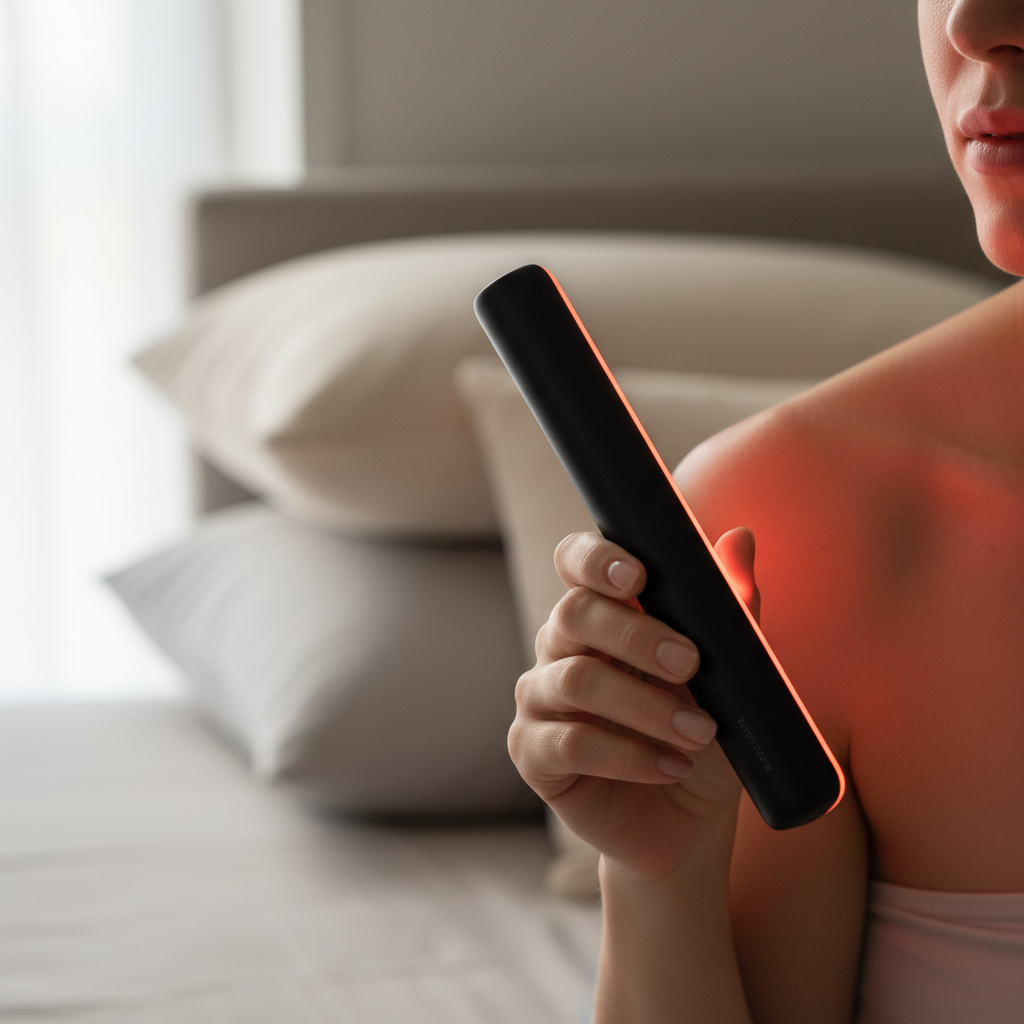
One of the most celebrated advantages of red light therapy is its ability to improve skin health. By stimulating collagen production, RLT can help reduce the appearance of wrinkles and fine lines, giving the skin a more youthful glow.
Additionally, red light therapy can assist in treating acne by reducing inflammation and accelerating the healing process of damaged skin. It is a gentle alternative to more aggressive treatments, making it suitable for individuals with sensitive skin.
Reducing Inflammation and Pain
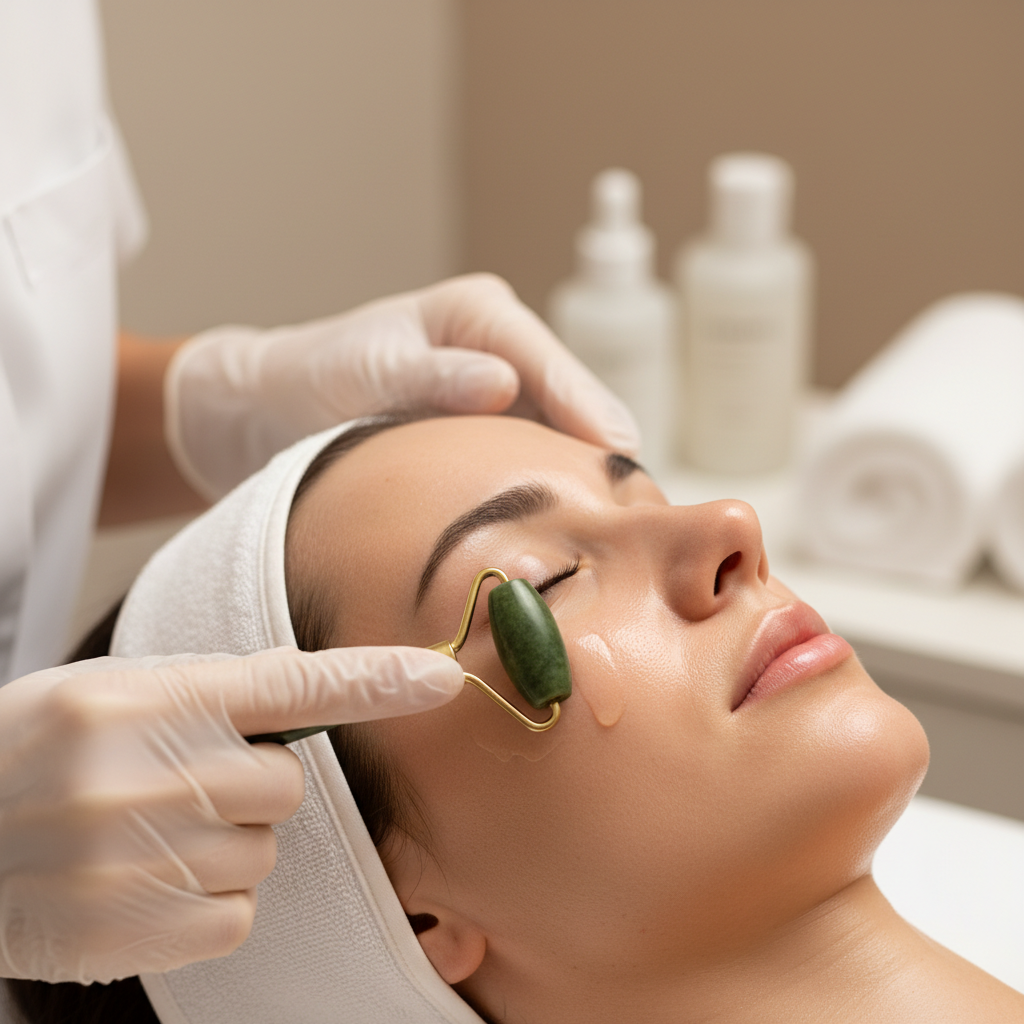
Red light therapy is also renowned for its anti-inflammatory properties. Athletes often use RLT to alleviate muscle soreness and joint pain after intense workouts. The therapy aids in reducing inflammation by increasing blood circulation and promoting cell regeneration.
Conditions such as arthritis and chronic pain syndromes may benefit from regular RLT sessions, as they help manage pain levels and improve overall mobility without the need for medication.
Enhancing Mood and Mental Health
Beyond physical health, red light therapy has been linked to improved mental well-being. Exposure to red light can stimulate the production of serotonin, a hormone that influences mood regulation, thereby helping to alleviate symptoms of depression and anxiety.
Moreover, RLT can improve sleep quality by regulating the production of melatonin, a hormone responsible for sleep-wake cycles. Better sleep contributes to enhanced cognitive function and emotional stability.

Boosting Athletic Performance
Athletes seeking to enhance performance and speed up recovery times may find red light therapy beneficial. By promoting faster muscle repair and reducing fatigue, RLT helps athletes train more effectively and with fewer interruptions.
Some studies suggest that RLT can improve endurance by increasing the body's energy production capabilities, allowing athletes to perform at higher intensities for longer durations.
How to Incorporate RLT into Your Routine
Integrating red light therapy into your wellness routine is straightforward. Many clinics and spas offer RLT sessions, or you can invest in a home device for regular use. To achieve the best results, consistency is key.
Typically, sessions last between 10 to 20 minutes, depending on the device and the targeted treatment area. Always follow the manufacturer's guidelines to ensure safe and effective use.

Considerations and Safety
While red light therapy is generally considered safe, it is essential to consult with a healthcare provider before starting any new treatment, especially if you have underlying health conditions. Ensure that devices are FDA-approved and adhere to safety standards.
Be mindful of potential side effects, such as temporary redness or irritation, and discontinue use if you experience any adverse reactions.
In conclusion, red light therapy offers a promising, natural way to enhance well-being by improving skin health, reducing pain and inflammation, boosting mood, and enhancing athletic performance. With proper use, it can be a valuable addition to your health and wellness regimen.