Frequently Asked Questions About Acupuncture: What You Need to Know


What is Acupuncture?
Acupuncture is an ancient healing practice that originated in China over 2,000 years ago. It involves inserting thin needles into specific points on the body to balance energy flow and promote healing. This practice is grounded in the belief that energy, or "Qi," flows through pathways in the body known as meridians.

How Does Acupuncture Work?
The insertion of needles is believed to stimulate the body's natural healing processes. It can improve circulation, reduce inflammation, and release endorphins, which are the body's natural painkillers. Acupuncture is often used to alleviate pain, stress, and various health conditions.
What Conditions Can Acupuncture Treat?
Acupuncture is used for a wide range of conditions. Some of the most common include:
- Chronic pain, such as back and neck pain
- Migraines and headaches
- Stress and anxiety
- Insomnia
- Digestive issues

Is Acupuncture Safe?
When performed by a trained and licensed practitioner, acupuncture is generally safe. The needles used are sterile, disposable, and extremely thin, making the procedure minimally invasive. However, it's essential to ensure that your practitioner is certified and follows proper hygiene practices.
What Should You Expect During a Session?
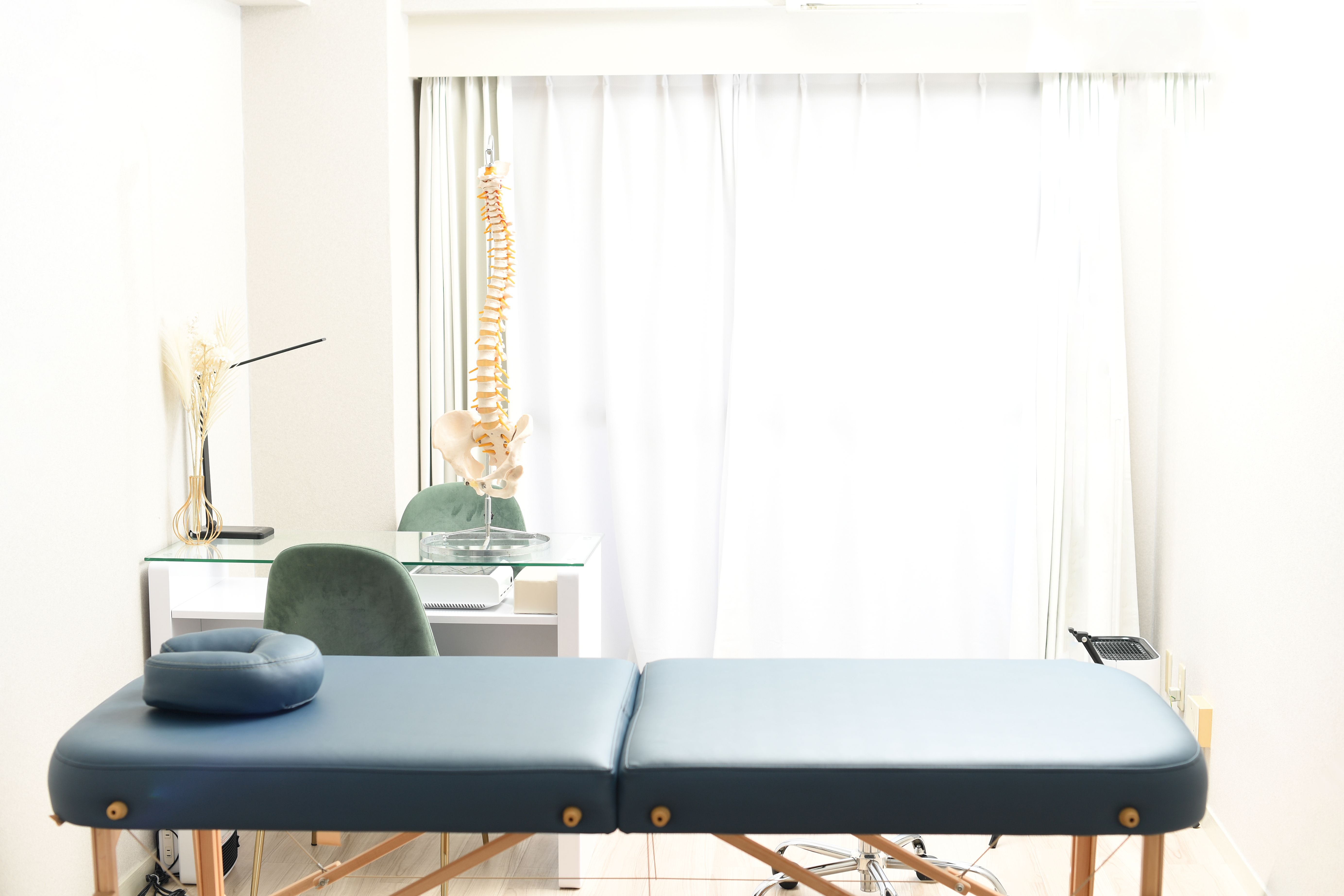
An acupuncture session typically lasts between 30 minutes to an hour. During the session, you'll be asked to lie down, and the practitioner will insert needles into specific points on your body. Most people report feeling minimal discomfort, and some even find the experience relaxing.
How Many Sessions Are Needed?
The number of sessions required varies depending on the condition being treated and individual response to acupuncture. Some people experience relief after just one session, while others may need several treatments to achieve optimal results. Your practitioner can provide a personalized treatment plan based on your needs.
Can Acupuncture Be Combined with Other Treatments?
Yes, acupuncture can be combined with other forms of treatment. Many people use it alongside conventional medicine, physical therapy, and other holistic practices. Always inform your healthcare provider and acupuncturist about any other treatments you are receiving.
How to Choose an Acupuncturist?
When selecting an acupuncturist, consider the following:
- Check their qualifications and certifications.
- Read reviews or ask for recommendations.
- Ensure they follow proper hygiene practices.
- Discuss your health concerns and treatment goals.