
Exploring the Science Behind Red Light Therapy: What You Need to Know


What is Red Light Therapy?
Red light therapy (RLT) is a non-invasive treatment that uses low-level wavelengths of red light to address various health issues. Originating from NASA's studies on plant growth in space, RLT has gained popularity for its potential benefits in skin care, pain relief, and more. This therapy is simple, painless, and can be administered in clinics or at home using specialized devices.
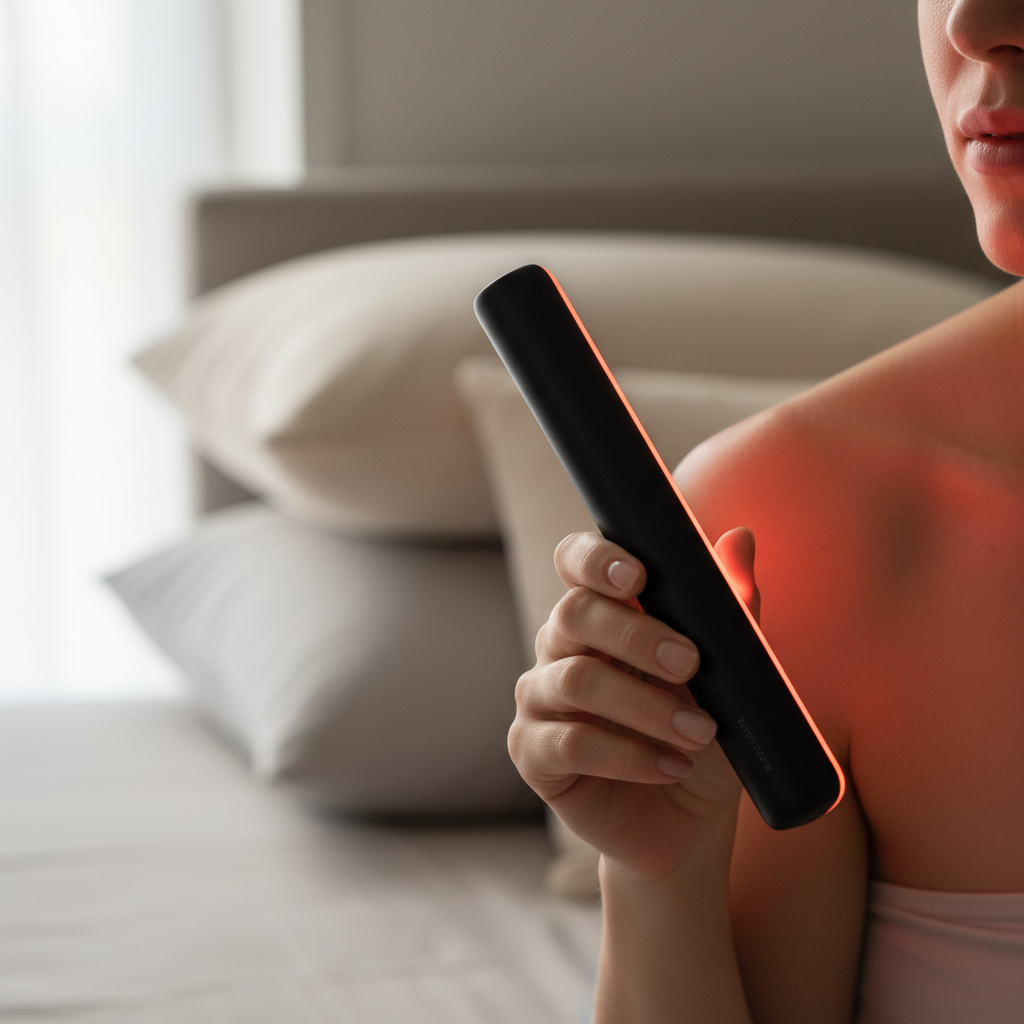
How Does Red Light Therapy Work?
RLT works by penetrating the skin to stimulate cellular activity. The red light wavelengths, typically ranging from 630 to 850 nanometers, are absorbed by the body's cells, enhancing energy production in the mitochondria. This increased energy can lead to faster healing, reduced inflammation, and improved skin texture.
The science behind RLT is based on the concept of photobiomodulation. When red light is absorbed, it promotes the production of adenosine triphosphate (ATP), which is essential for cellular repair and regeneration. This process can effectively support the body's natural healing mechanisms.
Key Benefits of Red Light Therapy
RLT is renowned for a variety of health benefits. Here are some key advantages:
- Skin Health: Red light therapy can reduce wrinkles, scars, and sun damage by boosting collagen production.
- Pain Relief: It can alleviate joint pain and arthritis symptoms by reducing inflammation.
- Muscle Recovery: Athletes use RLT to speed up muscle recovery and enhance performance.
- Improved Sleep: Regular sessions can regulate circadian rhythms, promoting better sleep quality.
What to Expect During a Session
During an RLT session, you will be exposed to a red light device for a specific period, typically ranging from 10 to 20 minutes. The treatment is comfortable and does not produce heat, making it a relaxing experience. Many users report immediate feelings of relaxation and rejuvenation.
It's important to follow the recommended guidelines for frequency and duration to achieve optimal results. Most providers suggest multiple sessions per week initially, followed by maintenance treatments.
Is Red Light Therapy Safe?
Red light therapy is considered safe for most individuals, with minimal side effects. Unlike ultraviolet (UV) light, red light does not cause skin damage or increase the risk of cancer. However, it's essential to use FDA-approved devices and consult with a healthcare professional if you have underlying health conditions.

Choosing the Right Device
When selecting an RLT device, consider factors such as wavelength, power output, and coverage area. Devices are available in various forms, including handheld wands, panels, and masks. For home use, ensure the device is easy to operate and comes with clear instructions.
Investing in a quality device can make a significant difference in the effectiveness of the treatment. Look for products with positive reviews and backed by clinical research.
Conclusion
Red light therapy offers a promising, science-backed solution for a range of health and wellness concerns. By understanding its mechanisms and benefits, you can make informed decisions about incorporating RLT into your daily routine. Whether you're seeking improved skin health, pain relief, or enhanced recovery, RLT provides an innovative approach to holistic well-being.