
Exploring the Healing Power of Red Light Therapy


Understanding Red Light Therapy
Red light therapy (RLT) is a treatment that uses specific wavelengths of light to penetrate the skin, offering a variety of health benefits. Originally developed by NASA for plant growth experiments in space, it has since been adapted for a range of therapeutic applications here on Earth. This non-invasive therapy is gaining popularity for its potential to enhance health and well-being.
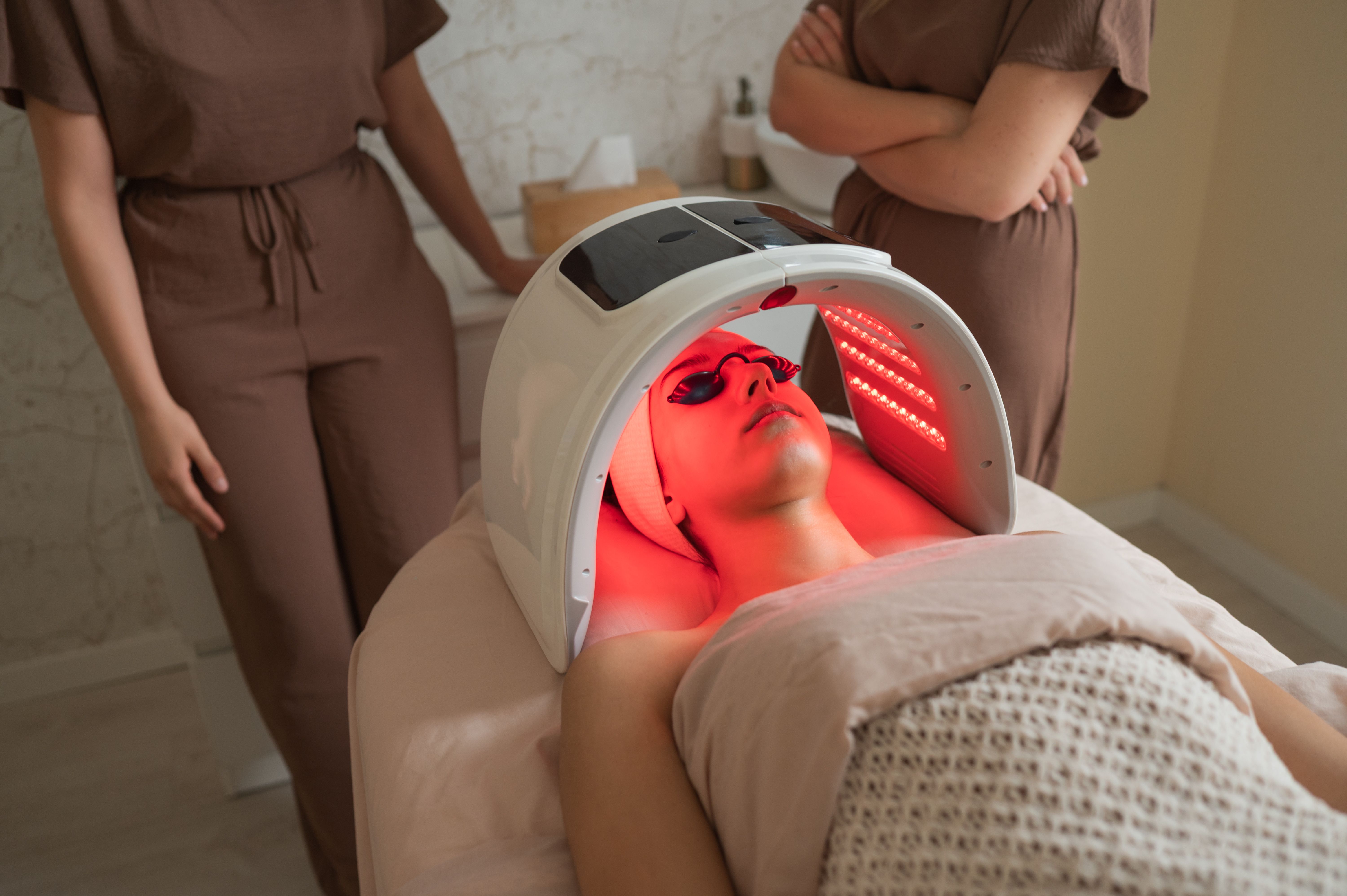
How Does It Work?
The basic principle of red light therapy involves emitting low levels of red or near-infrared light onto the skin. These wavelengths are absorbed by the skin cells, stimulating energy production and cellular repair. This process is known to enhance mitochondrial function, which is crucial for improving cell regeneration and repair.
Red light therapy does not involve heat, and unlike UV rays, it does not damage the skin. This makes it a safe option for those seeking non-invasive treatment alternatives.
Benefits of Red Light Therapy
Many people turn to red light therapy for its wide range of potential benefits. Some of the most notable advantages include:
- Reduced inflammation and pain relief
- Improved skin health, including reduced wrinkles and scars
- Enhanced muscle recovery and performance
- Boosted mood and reduced symptoms of depression

Applications in Skin Care
One of the most popular uses of red light therapy is in skincare. Many dermatologists recommend it for treating various skin conditions such as acne, psoriasis, and eczema. By boosting collagen production, it can also help in reducing fine lines and improving skin elasticity.
Many beauty and wellness centers now offer red light therapy sessions, and there are even at-home devices available for those who want to incorporate it into their daily skincare routine.
Using Red Light Therapy for Pain Relief
Red light therapy is also widely used for pain management. Its anti-inflammatory properties make it a suitable option for treating chronic pain conditions such as arthritis and fibromyalgia. Athletes often use it to speed up recovery from injuries and reduce muscle soreness after intense workouts.

Considerations and Safety
While red light therapy is generally considered safe, it is essential to use it under proper guidance. Overexposure can lead to skin irritation. Consulting with a healthcare provider before starting any new treatment is always a good practice.
It is important to follow the instructions provided by the device manufacturer or your healthcare provider to ensure the best results and minimize any risks.
The Future of Red Light Therapy
As research continues, the potential applications of red light therapy are expanding. From improving sleep patterns to enhancing cognitive functions, the possibilities seem promising. As more studies validate its efficacy, red light therapy may become a staple in both medical and wellness practices.
With its growing popularity and proven benefits, red light therapy is paving the way for a new era of non-invasive health treatments.