Debunking Myths: The Truth About Cupping Therapy


Understanding Cupping Therapy
Cupping therapy, an ancient practice with roots in traditional Chinese medicine, has gained popularity in recent years. Despite its widespread use, many myths and misconceptions about cupping persist. This post aims to debunk these myths and provide a clearer understanding of what cupping therapy truly entails.
Myth 1: Cupping Is Painful
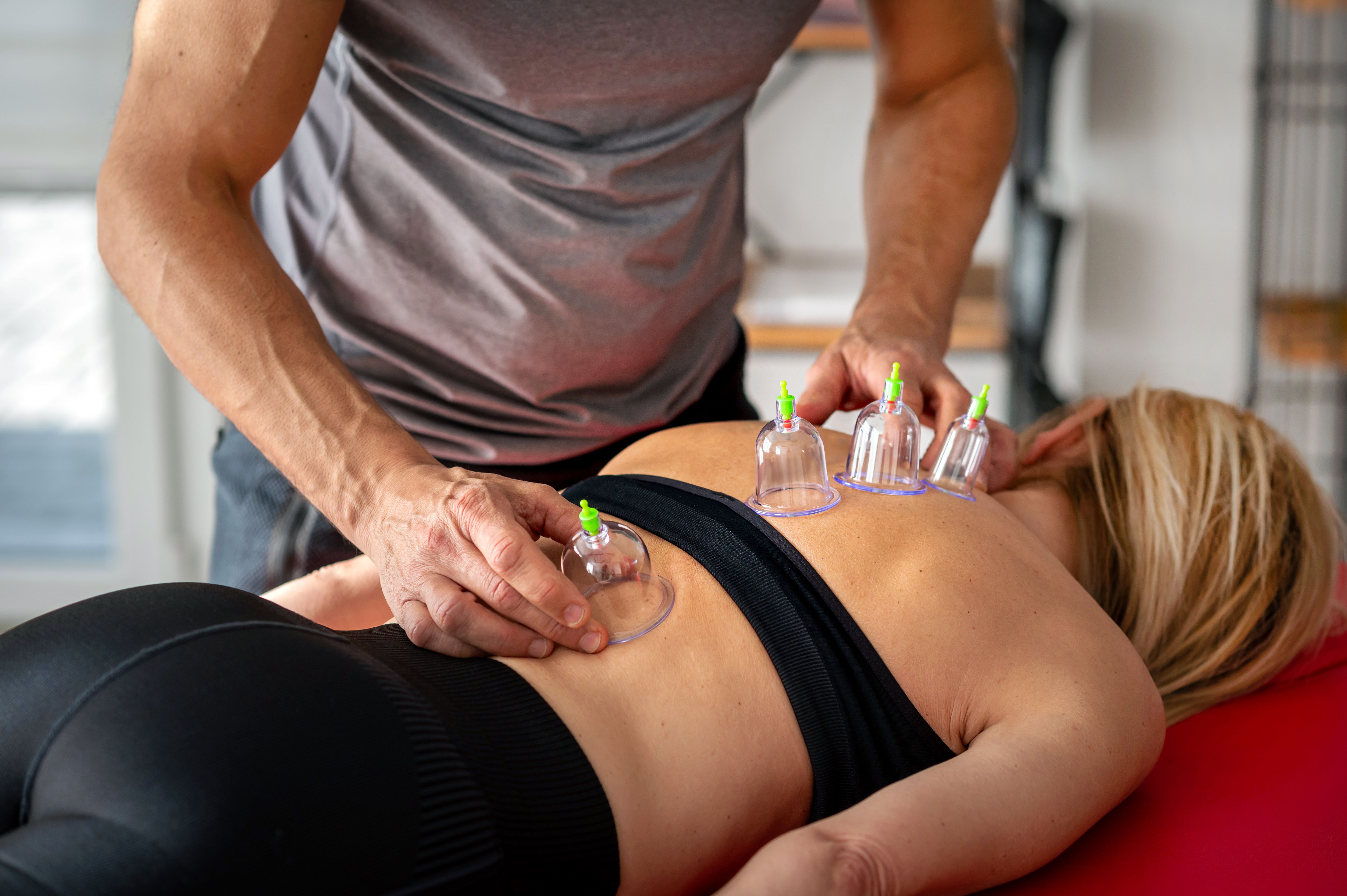
One common myth is that cupping therapy is painful. While the sight of circular marks on the skin might suggest discomfort, most people experience minimal to no pain during the process. The sensation is often described as a gentle pulling or suction on the skin, which many find relaxing.
Myth 2: Cupping Leaves Permanent Marks
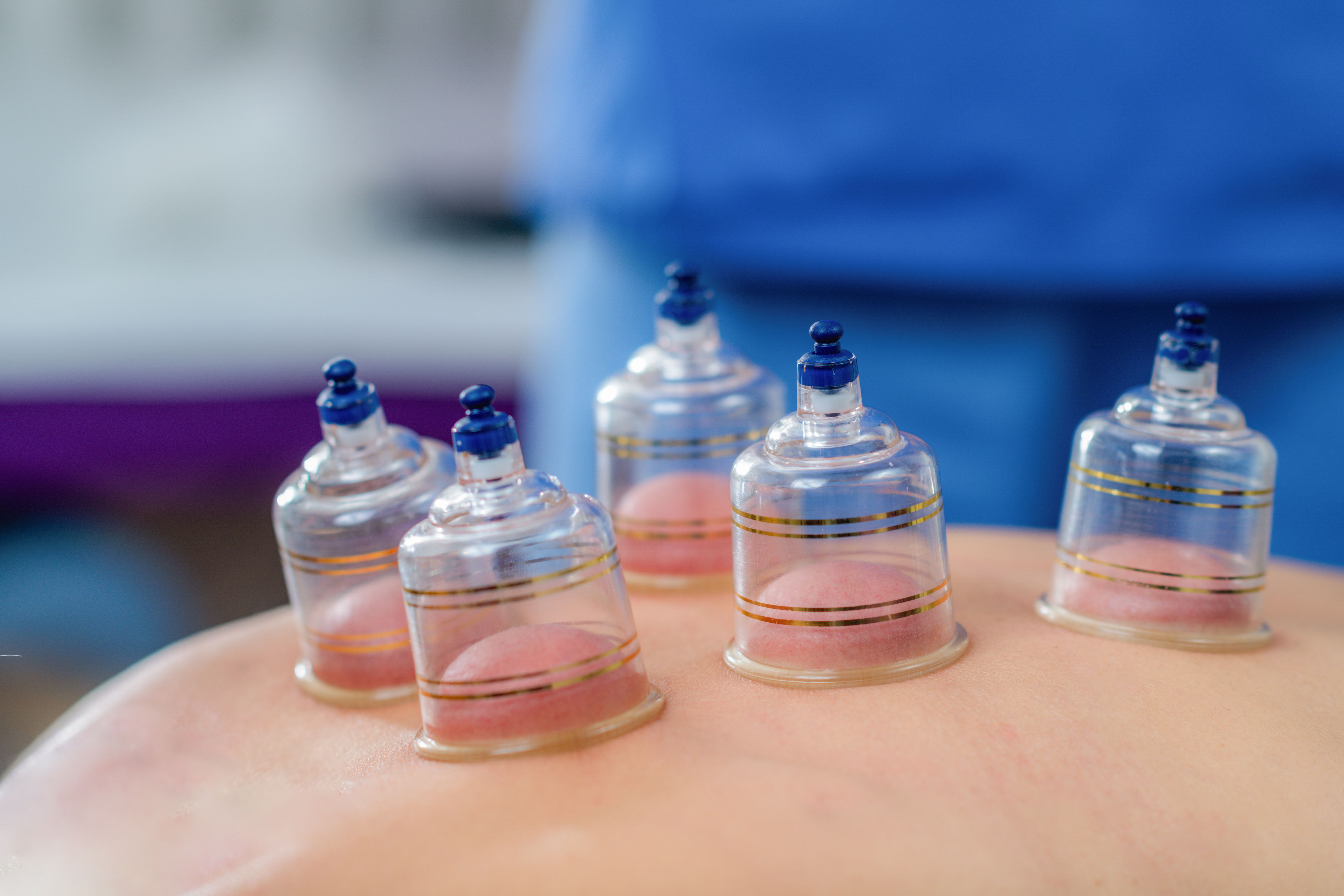
Another misconception is that cupping leaves permanent marks. The marks, which result from increased blood flow to the area, are temporary and typically fade within a week. These marks are not bruises; rather, they are signs of the body's natural healing response.
How Cupping Works
Cupping involves placing cups on the skin and creating a vacuum to draw the skin upward. This process stimulates blood flow and may help with pain relief and muscle relaxation. It’s a treatment often used by athletes and those seeking alternative therapies for various ailments.
Myth 3: Cupping Is Only for Athletes
While many athletes use cupping for recovery, it is not exclusive to them. People from all walks of life can benefit from cupping therapy. It’s used to address a range of issues, from muscle tension to respiratory problems, making it accessible to anyone seeking holistic health benefits.
Myth 4: Cupping Is a Cure-All
Some proponents claim that cupping can cure any ailment, but this is not accurate. While cupping may aid in alleviating certain symptoms, it is not a replacement for conventional medical treatment. It should be viewed as a complementary therapy rather than a standalone cure.
Benefits of Cupping Therapy
The benefits of cupping therapy are varied and can include:
- Improved circulation
- Reduced muscle tension
- Enhanced relaxation and stress relief
- Support for respiratory health

Choosing a Qualified Practitioner
If you’re considering cupping therapy, it’s crucial to choose a qualified practitioner. Look for someone who is certified and has extensive experience. A professional will ensure the treatment is safe and tailored to your specific needs.
Conclusion: Weighing the Facts
In conclusion, while cupping therapy holds numerous benefits, it’s essential to approach it with realistic expectations. Understanding the facts and dispelling the myths allows individuals to make informed decisions about incorporating this ancient practice into their wellness routines.