
Debunking Common Myths About Red Light Therapy


Understanding Red Light Therapy
Red light therapy, also known as low-level laser therapy (LLLT) or photobiomodulation, has gained popularity for its potential health benefits. From skin rejuvenation to pain relief, this non-invasive treatment is touted for various uses. However, misconceptions abound, leading many to question its effectiveness. In this post, we'll debunk some common myths surrounding red light therapy.
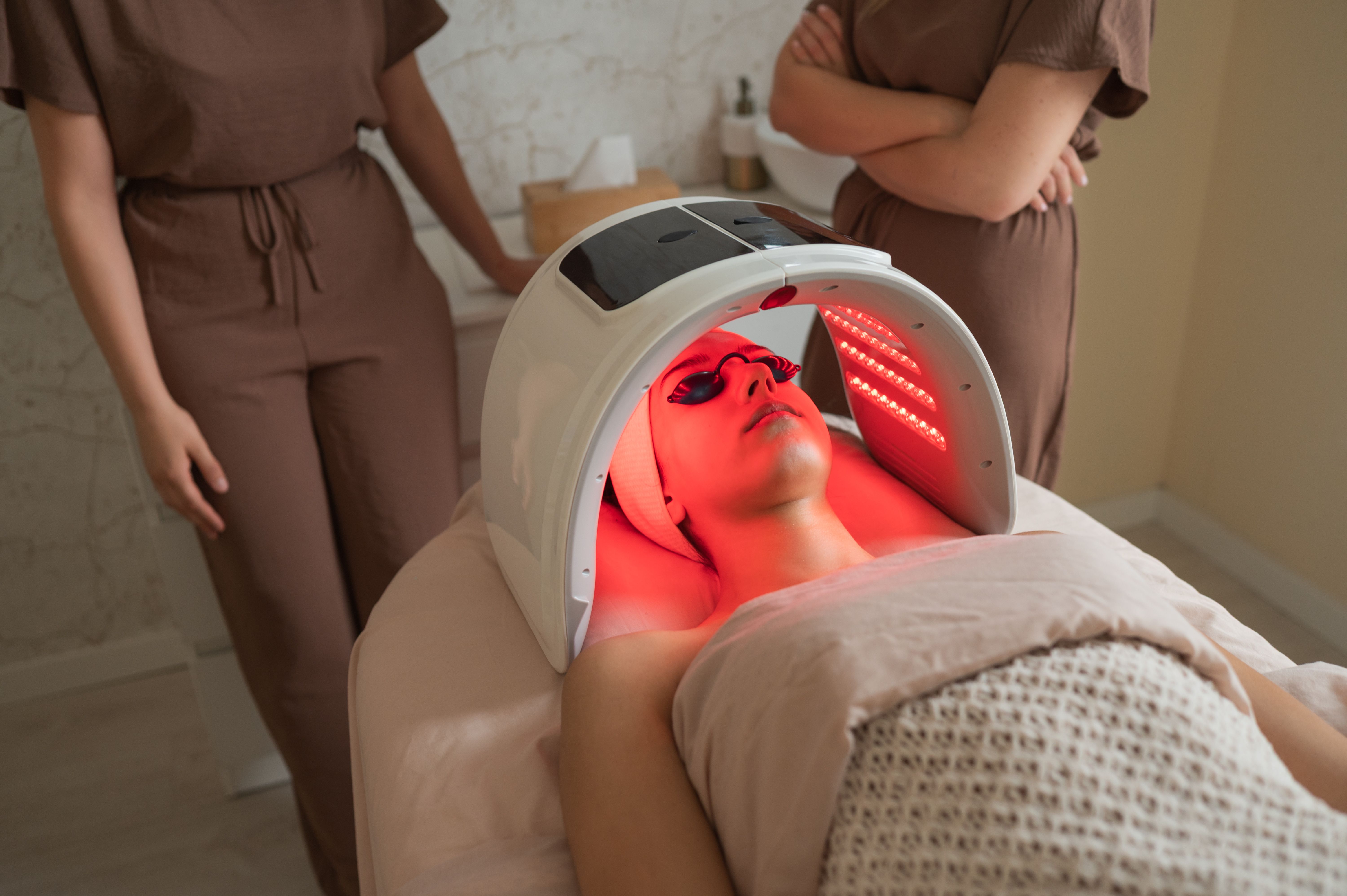
Myth 1: Red Light Therapy Is Just a Fad
Many believe that red light therapy is merely a passing trend with little scientific backing. In reality, this therapy has been extensively researched for decades. Studies have demonstrated its ability to improve skin health, reduce inflammation, and even enhance muscle recovery. Its applications in medical settings further underscore its legitimacy.
Scientific Support
Red light therapy is supported by numerous scientific studies that highlight its benefits. Researchers have found that specific wavelengths of red light can penetrate the skin to interact with cells, promoting healing and regeneration. This evidence challenges the notion that it's merely a fad.
Myth 2: It's Only Useful for Skin Care
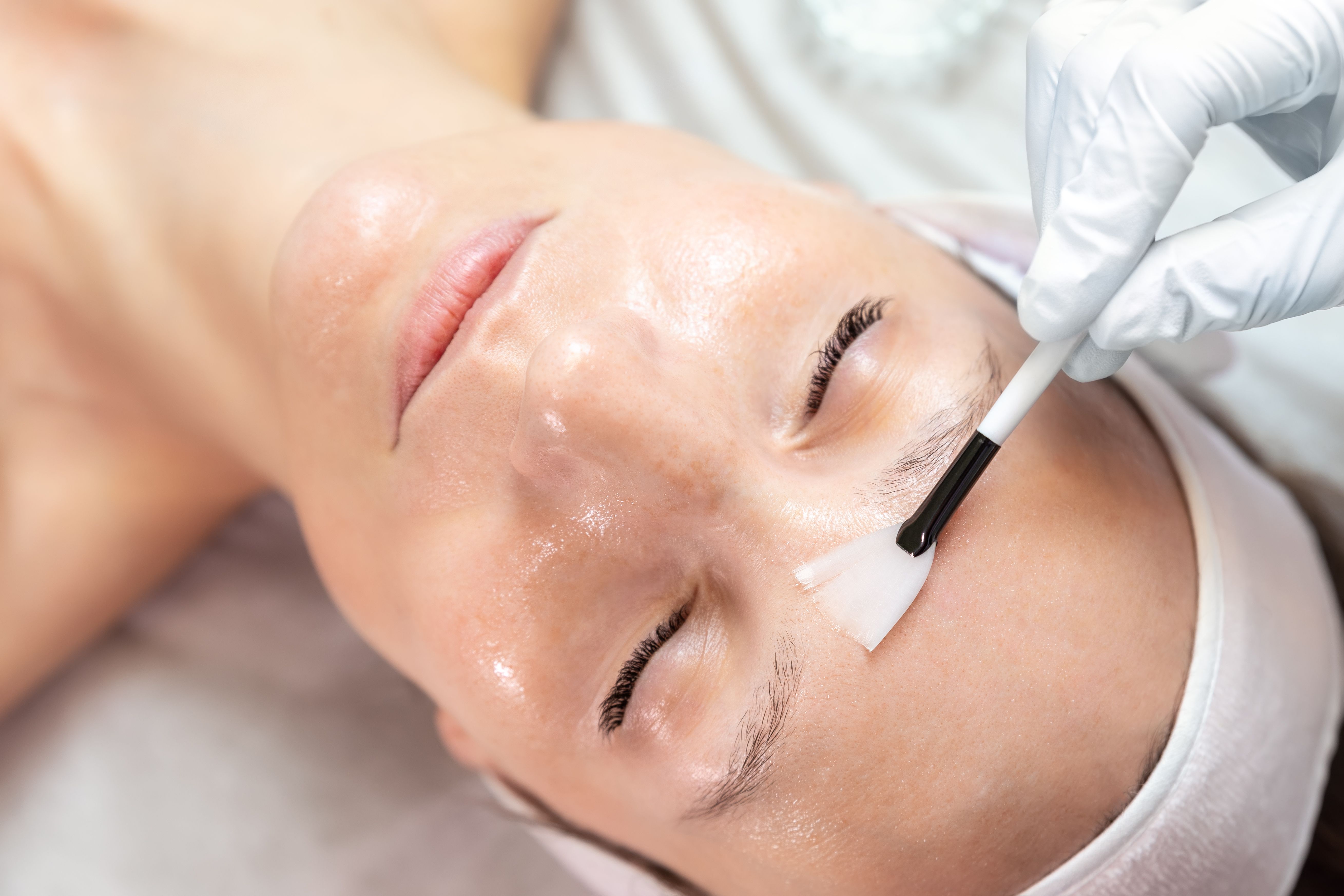
While red light therapy is popularly used in skincare routines to reduce wrinkles and promote collagen production, its benefits extend beyond aesthetics. It's also employed in treating chronic pain, wound healing, and even mental health conditions.
Wider Applications
Red light therapy is utilized in sports medicine to aid muscle recovery and in pain management clinics for reducing discomfort caused by arthritis and other conditions. It has also shown promise in improving mood and cognitive function, making it a versatile therapeutic option.
Myth 3: Results Are Immediate
It's a common misconception that red light therapy delivers instant results. In truth, consistent use over time is necessary to experience significant benefits. Many users begin to notice changes after several weeks of regular sessions.
Patience Is Key
Like many therapies, red light therapy requires a commitment to achieve desired outcomes. The effects are cumulative, meaning that gradual improvements will become more evident with continuous application. Patience and consistency are essential for maximizing benefits.

Myth 4: All Devices Are the Same
Not all red light therapy devices are created equal. The effectiveness of a device can depend on factors such as wavelength, power output, and design. Understanding these differences is crucial for selecting the right product for your needs.
Choosing the Right Device
- Wavelength: Effective red light therapy devices typically use wavelengths between 630-670 nm or 810-850 nm.
- Power Output: Higher power output can lead to more efficient results.
- Design: Consider the area of application and choose a device that suits your specific requirements.
By debunking these myths, we hope to shed light on the true potential of red light therapy. Whether you're seeking skin improvements or relief from chronic pain, understanding the facts can help you make informed decisions and achieve the best possible outcomes.