
Debunking Common Myths About Acupuncture and Cupping


Understanding Acupuncture and Cupping
Acupuncture and cupping are ancient practices that have been used for thousands of years to promote health and well-being. Despite their long history, these therapies are often surrounded by misconceptions. In this blog post, we aim to debunk some of the most common myths associated with these holistic treatments, providing clarity and understanding.
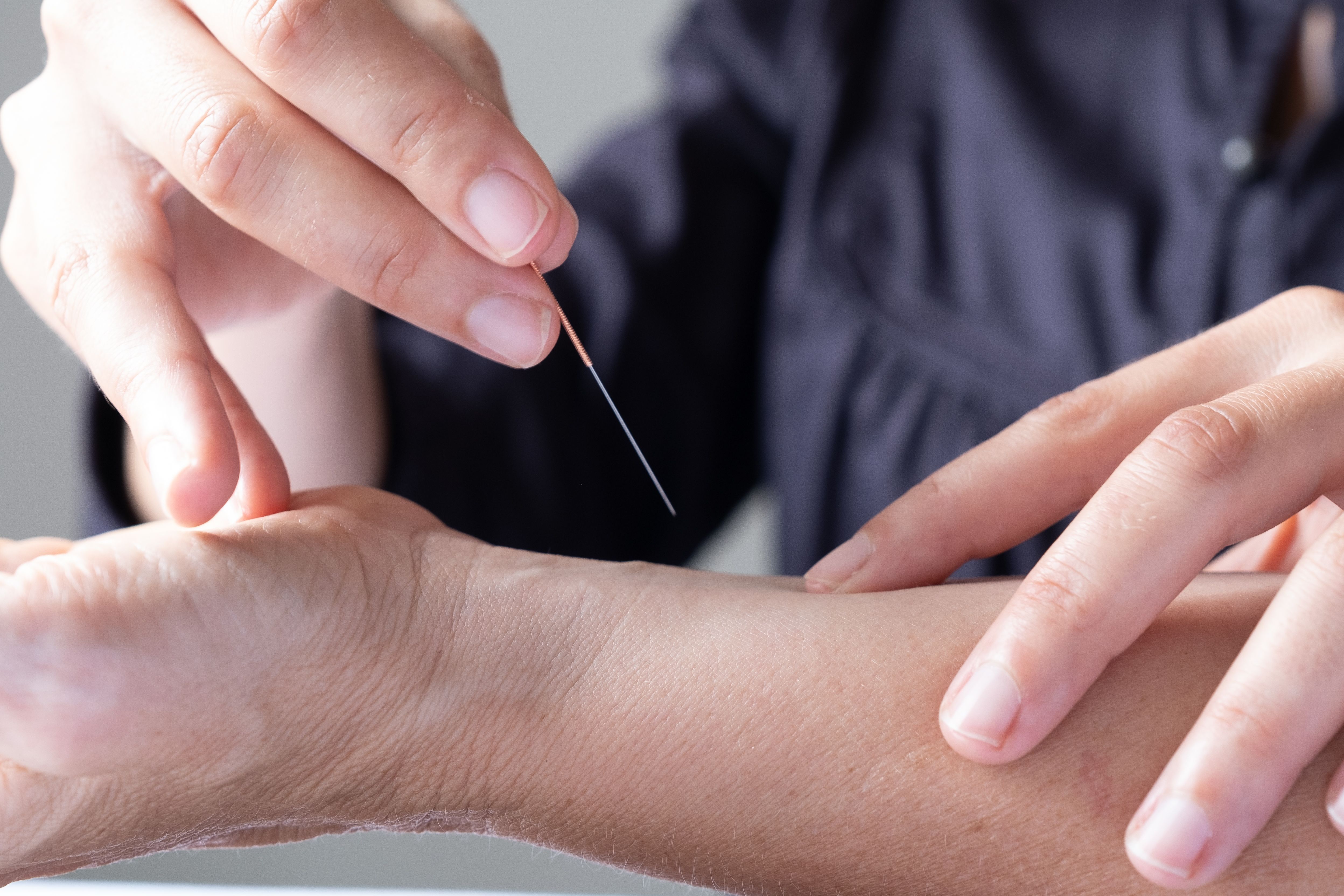
Myth 1: Acupuncture Is Painful
One of the most prevalent myths about acupuncture is that it is a painful procedure. In reality, acupuncture involves the insertion of very fine needles that usually cause minimal to no discomfort. Many people find the experience relaxing and report feeling a sense of calm during and after the session. The needles are much thinner than those used for injections, which significantly reduces the sensation of pain.
Myth 2: Cupping Leaves Permanent Marks
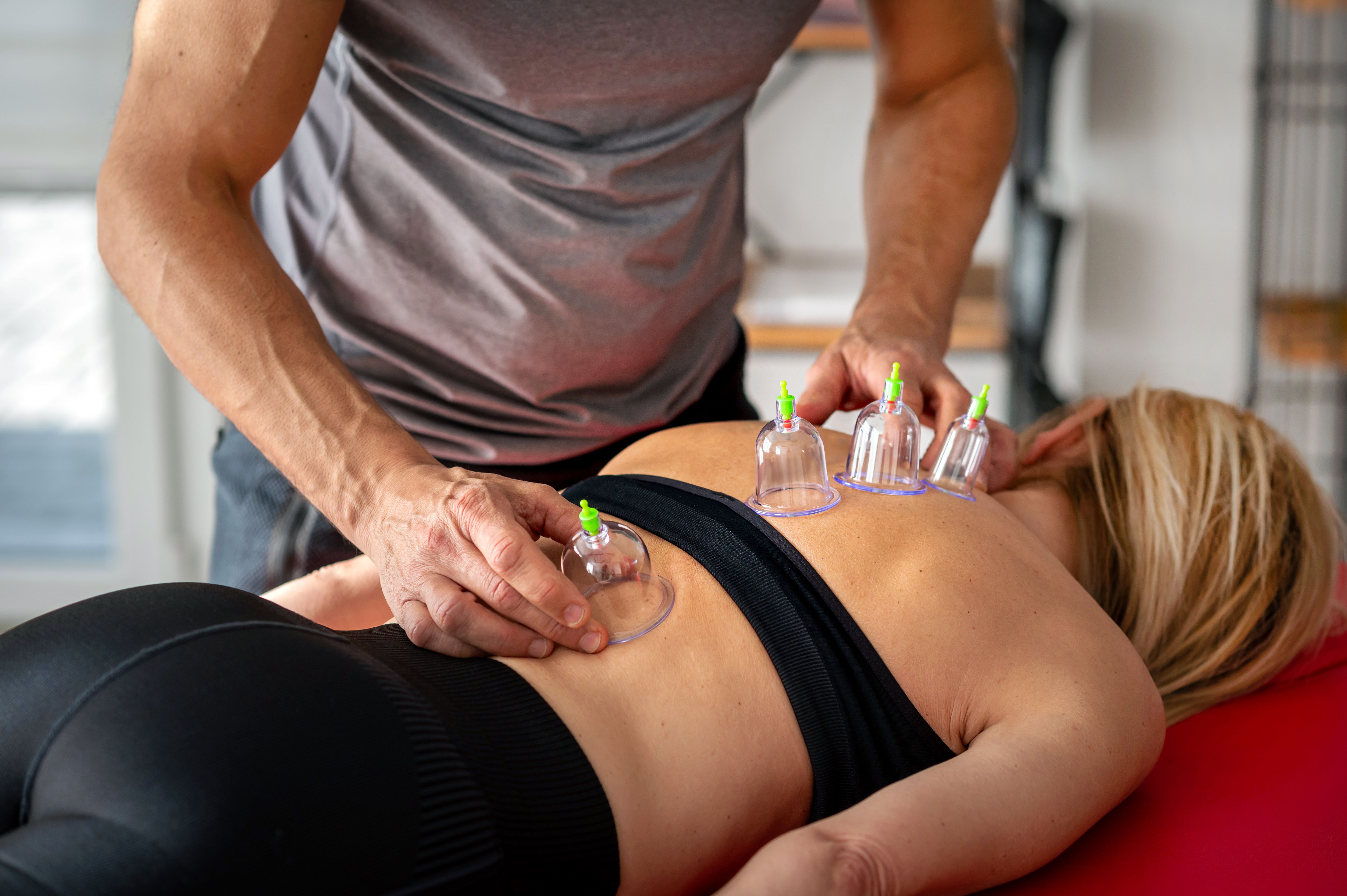
Another common misconception is that cupping leaves permanent marks or bruises on the skin. The marks left by cupping are temporary and usually fade within a few days to a week. These marks are a result of increased blood flow to the area, which is part of the healing process. The extent and duration of the marks can vary depending on the individual's skin type and the intensity of the suction.
Scientific Backing and Benefits
While some people believe acupuncture and cupping lack scientific support, research has shown that these practices can offer several health benefits. Acupuncture has been recognized for its ability to alleviate chronic pain, reduce stress, and improve sleep quality. Similarly, cupping has been found to help with pain relief and muscle relaxation.
Myth 3: These Practices Are Only for Pain Relief
Many people assume that acupuncture and cupping are solely for pain management. However, these therapies can address a wide range of health concerns. Acupuncture is used to treat issues such as migraines, anxiety, and digestive problems, while cupping can help improve circulation and boost the immune system. Both treatments are versatile and can be customized to meet individual health needs.

Myth 4: Acupuncture and Cupping Are Unsafe
Safety concerns are often cited as reasons to avoid acupuncture and cupping. When performed by a licensed and trained practitioner, both treatments are safe and low-risk. Practitioners follow strict hygiene standards and use sterile, single-use needles for acupuncture. Cupping also adheres to safety protocols to ensure a comfortable and beneficial experience for the patient.
Exploring Holistic Health
Acupuncture and cupping offer a holistic approach to health that can complement conventional medicine. By addressing the body's energy flow and improving blood circulation, these practices can enhance overall well-being. It's important to consult with a qualified practitioner to determine the best treatment plan for your specific health needs.
Debunking these myths can help more people consider acupuncture and cupping as viable options for improving their health. With a better understanding of what these therapies entail, individuals can make informed decisions about incorporating them into their wellness routines.