
Cupping vs. Acupuncture: Which Therapy is Right for You?


Understanding Cupping Therapy
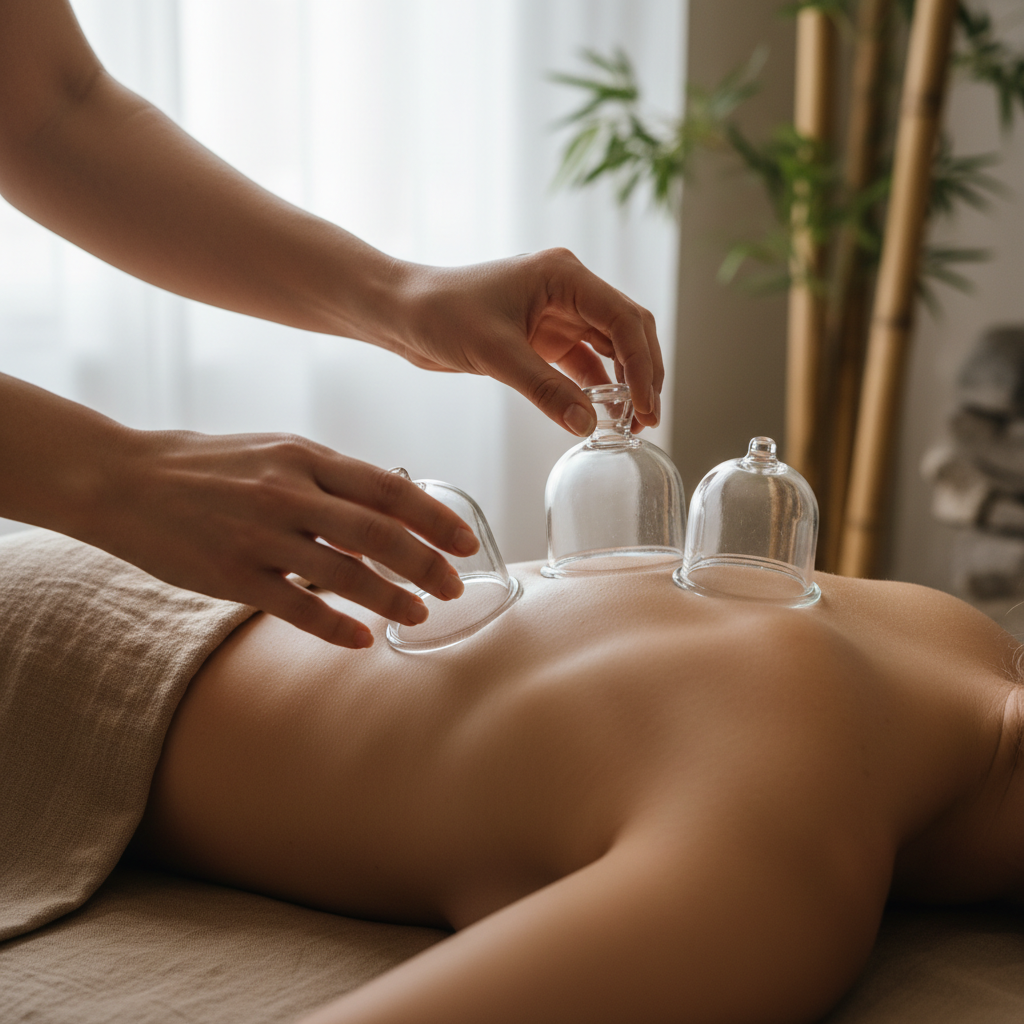
Cupping therapy, a practice rooted in ancient Chinese medicine, involves placing cups on the skin to create suction. This method is believed to help with pain, inflammation, blood flow, and relaxation, functioning as a form of deep-tissue massage. Cupping is often used by athletes and individuals seeking natural healing alternatives.
The suction created by the cups lifts the skin and tissues, promoting increased blood circulation to the affected area. This can potentially alleviate muscle tension and promote cell repair. While it’s generally safe, some people may experience mild bruising or discomfort.
Exploring Acupuncture
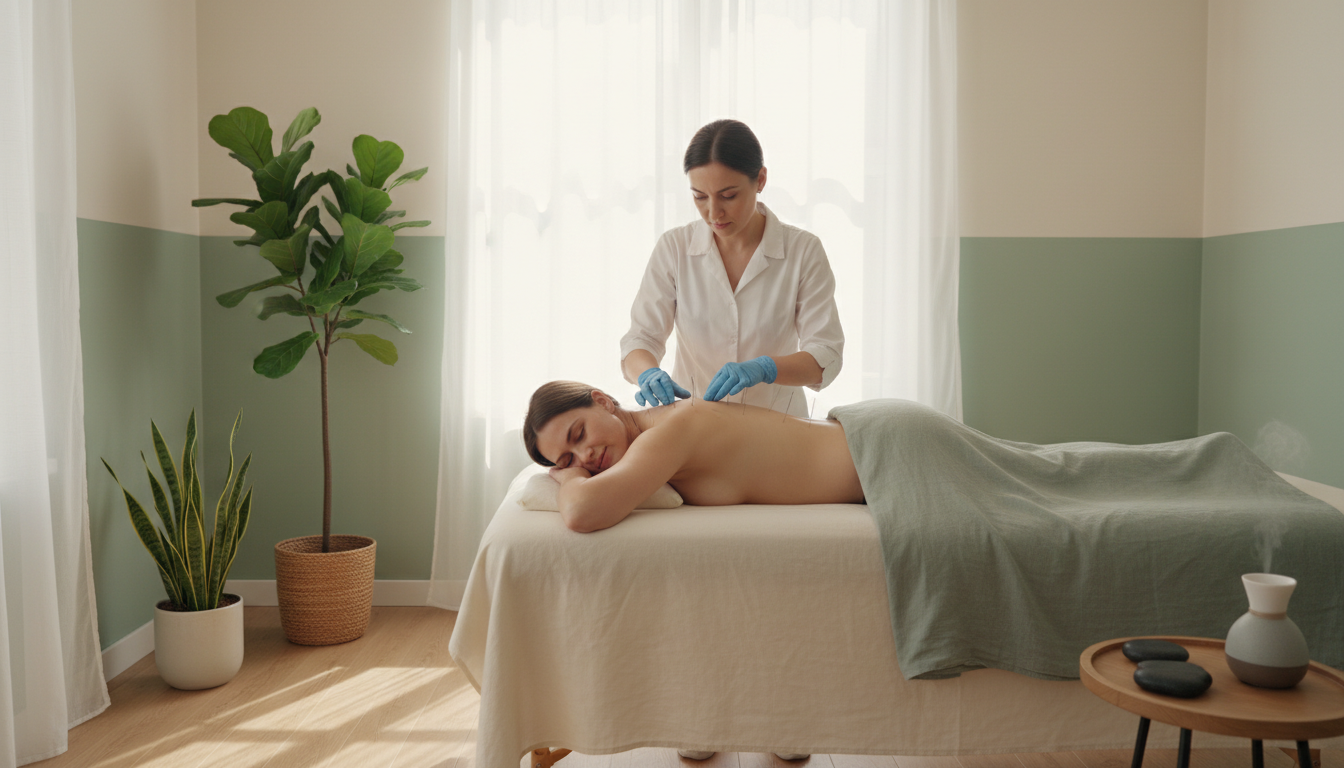
Acupuncture, another staple of traditional Chinese medicine, involves inserting thin needles into specific points on the body. This practice aims to balance the body's energy flow, or Qi, and is often used to treat pain, stress, and various health conditions.
The strategic placement of needles is believed to stimulate nerves, muscles, and connective tissue, which can enhance the body's natural painkillers and increase blood flow. Acupuncture is commonly used for chronic pain, headaches, and stress-related disorders.
Comparing Benefits
Both cupping and acupuncture offer unique benefits. Cupping is particularly effective for muscle relaxation and improving circulation, making it ideal for athletes or those with muscle tension. On the other hand, acupuncture is renowned for its ability to address a wide range of issues, from chronic pain to anxiety.
It's important to consider your specific health needs and goals when choosing between these therapies. Consulting with a healthcare professional can provide guidance tailored to your situation.

Potential Risks and Considerations
Although both therapies are generally safe, they come with potential risks. Cupping may leave temporary marks on the skin, while acupuncture might cause slight discomfort or minor bleeding at needle sites. Ensuring you receive treatment from a qualified practitioner can minimize these risks.
Additionally, it’s crucial to disclose any medical conditions or medications to your therapist to avoid complications. Both therapies should complement, not replace, conventional medical treatments.
Who Should Consider Cupping?
Cupping is suitable for individuals seeking relief from muscle tension, athletes looking to enhance recovery, or those interested in improving circulation. It can be an excellent choice for those who prefer non-invasive treatments with visible results.
- Muscle relaxation
- Improved circulation
- Non-invasive treatment
When to Choose Acupuncture
Acupuncture might be more appropriate for individuals dealing with chronic pain, stress, or specific health conditions. Its holistic approach makes it appealing to those looking for a natural way to manage pain and improve overall well-being.
- Chronic pain management
- Stress reduction
- Holistic health improvement
Making Your Decision
Deciding between cupping and acupuncture depends largely on personal preferences and health goals. Both therapies offer unique benefits, and some individuals may even find a combination of the two to be most effective.
Consulting with a trained practitioner can provide personalized advice and help you determine the best approach for your specific needs. Whether you choose cupping, acupuncture, or both, prioritizing your health and well-being is key.