Comparing Red Light Therapy and Cupping: Which is Right for You?


Understanding Red Light Therapy
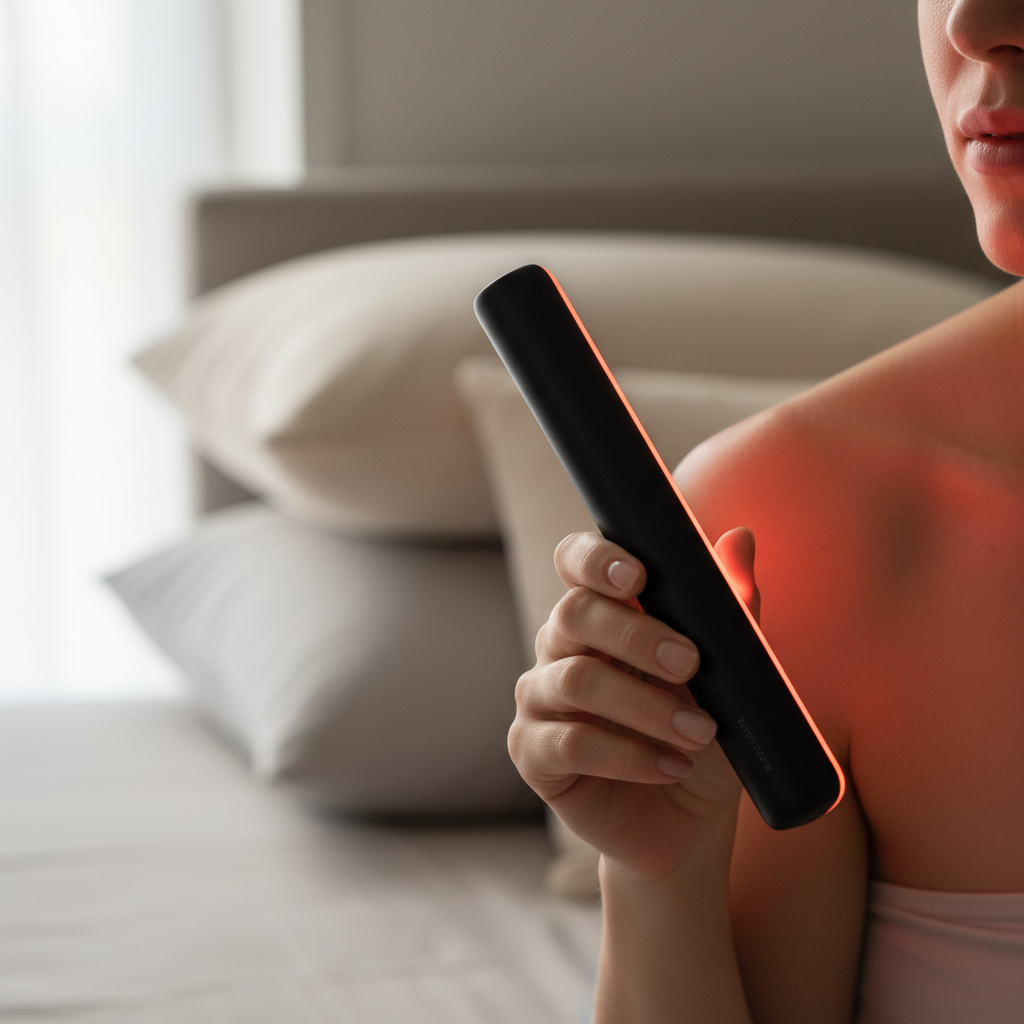
Red light therapy (RLT) is an increasingly popular treatment that uses low-level wavelengths of red light to potentially improve skin health, reduce inflammation, and promote healing. It's widely used in both clinical and at-home settings, and many people find it a convenient and non-invasive option for various health concerns.
The science behind red light therapy is based on the ability of light to penetrate the skin and stimulate cellular function. As a result, it can enhance collagen production, improve circulation, and accelerate tissue repair. It's often used for skin rejuvenation, wound healing, and even pain reduction.
Exploring Cupping Therapy
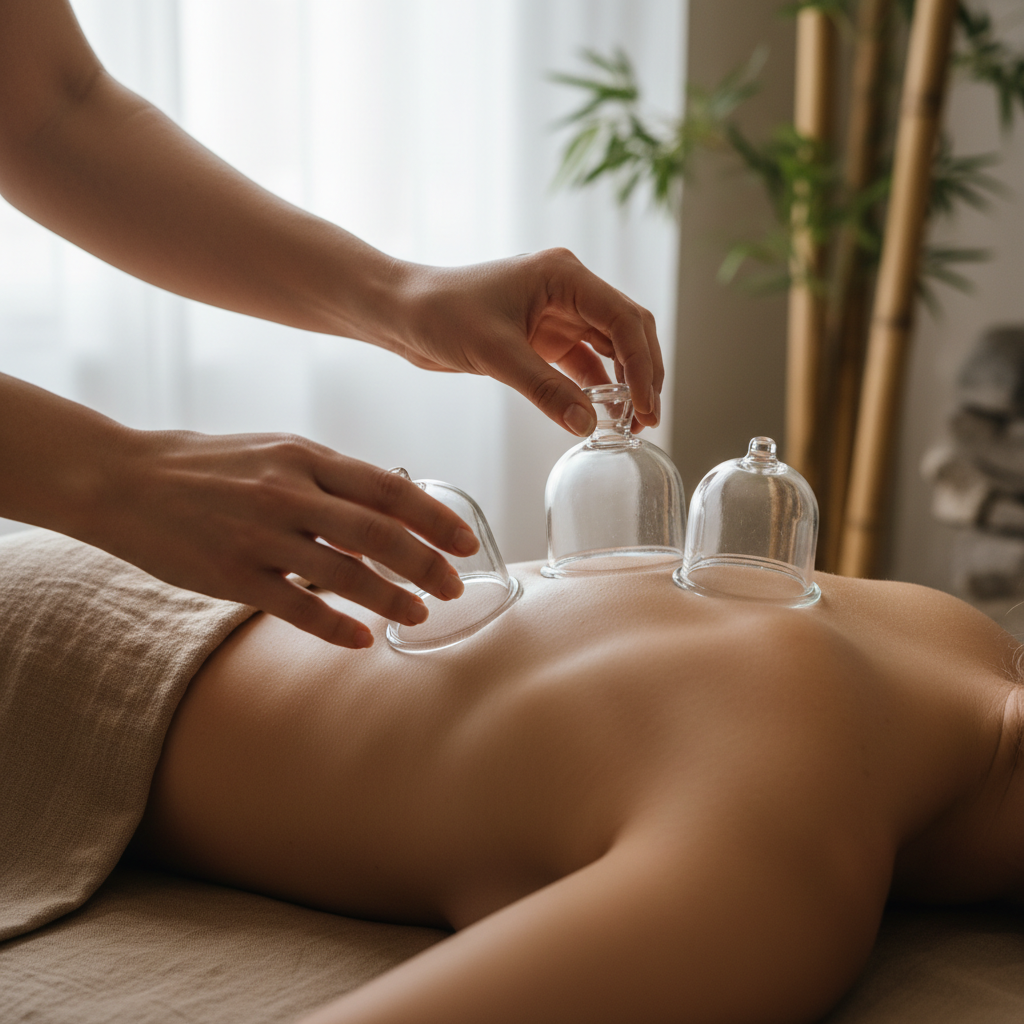
Cupping therapy is a traditional practice that involves placing cups on the skin to create a vacuum effect. This suction is believed to improve blood flow, reduce tension, and promote healing. Often associated with ancient Chinese medicine, cupping has found its place in modern wellness practices.
There are different types of cupping, including dry and wet cupping, each with its unique approach. The therapy is often used to alleviate muscle pain, reduce inflammation, and enhance relaxation. Many athletes and wellness enthusiasts swear by its benefits, although scientific backing varies.
Comparing Benefits and Uses
Both red light therapy and cupping offer unique benefits and can be chosen based on individual needs. While red light therapy is more focused on cellular regeneration and skin health, cupping is often used for muscle relaxation and pain relief.
- Red Light Therapy: Best for skin rejuvenation, reducing inflammation, and enhancing healing.
- Cupping Therapy: Effective for muscle relaxation, improving circulation, and alleviating pain.
Understanding what you hope to achieve with these therapies can guide your choice. If your focus is on skin health, RLT may be more suitable, whereas if you're dealing with muscle tension, cupping might be the way to go.
Potential Side Effects
Both therapies are generally considered safe, but potential side effects should be noted. Red light therapy might cause mild skin irritation, especially if overused. It's crucial to follow recommended guidelines to avoid any adverse effects.
On the other hand, cupping can leave temporary marks and bruises on the skin. These are typically harmless and fade over time but can be a consideration for those concerned about visible marks.
Choosing the Right Therapy for You
When deciding between red light therapy and cupping, consider your personal health goals and any underlying conditions. Consulting with a healthcare professional can provide personalized advice tailored to your needs.
Additionally, trying both therapies under professional guidance can help you understand which one provides the most benefit for your specific situation. Always ensure that the treatments are performed by certified professionals to maximize safety and effectiveness.
Ultimately, both red light therapy and cupping offer promising benefits and can be valuable additions to a wellness routine. Whether you choose one or both, understanding their distinct advantages can help you make an informed decision.