
Comparing Cupping and Acupuncture: Which Therapy is Right for You?


Understanding Cupping and Acupuncture
As alternative therapies gain popularity, more people are exploring cupping and acupuncture as options for improving health and well-being. Both therapies have roots in traditional Chinese medicine, yet they offer distinct approaches. Understanding their differences can help you decide which might be right for you.
Cupping involves placing cups on the skin to create suction. This technique is believed to improve blood flow, reduce inflammation, and promote healing. Acupuncture, on the other hand, involves inserting thin needles into specific points on the body to balance energy flow, known as qi.
How Cupping Works
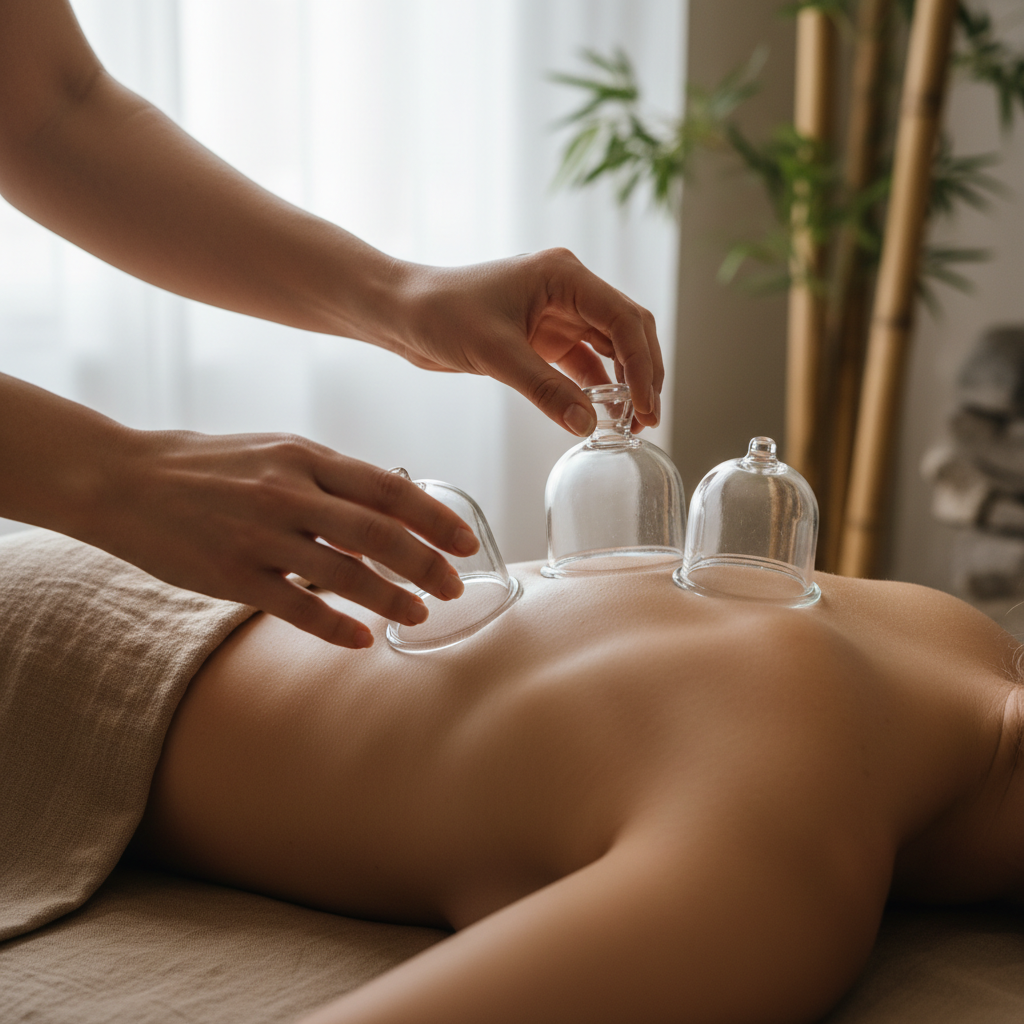
Cupping therapy uses glass, bamboo, or silicone cups. The practitioner places the cups on the skin, often after heating the air inside to create a vacuum. This suction pulls the skin upward, which can feel intense but is generally not painful. Cupping is often used to relieve muscle tension, improve circulation, and enhance overall relaxation.
Some people report immediate relief from pain and stiffness after a cupping session. However, it’s common to experience circular marks on the skin, which typically fade within a few days.
Benefits of Cupping
- Reduces muscle tension and pain
- Enhances blood circulation
- Promotes relaxation
Exploring Acupuncture
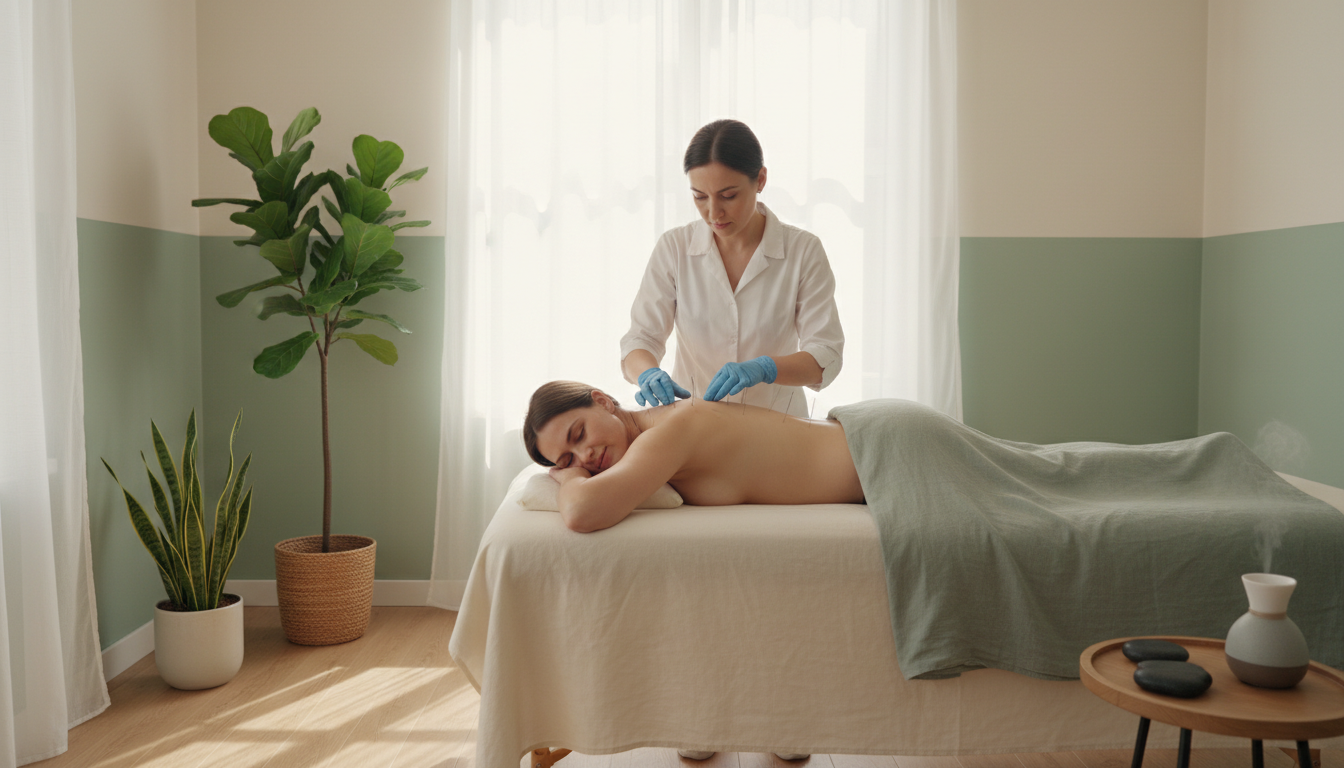
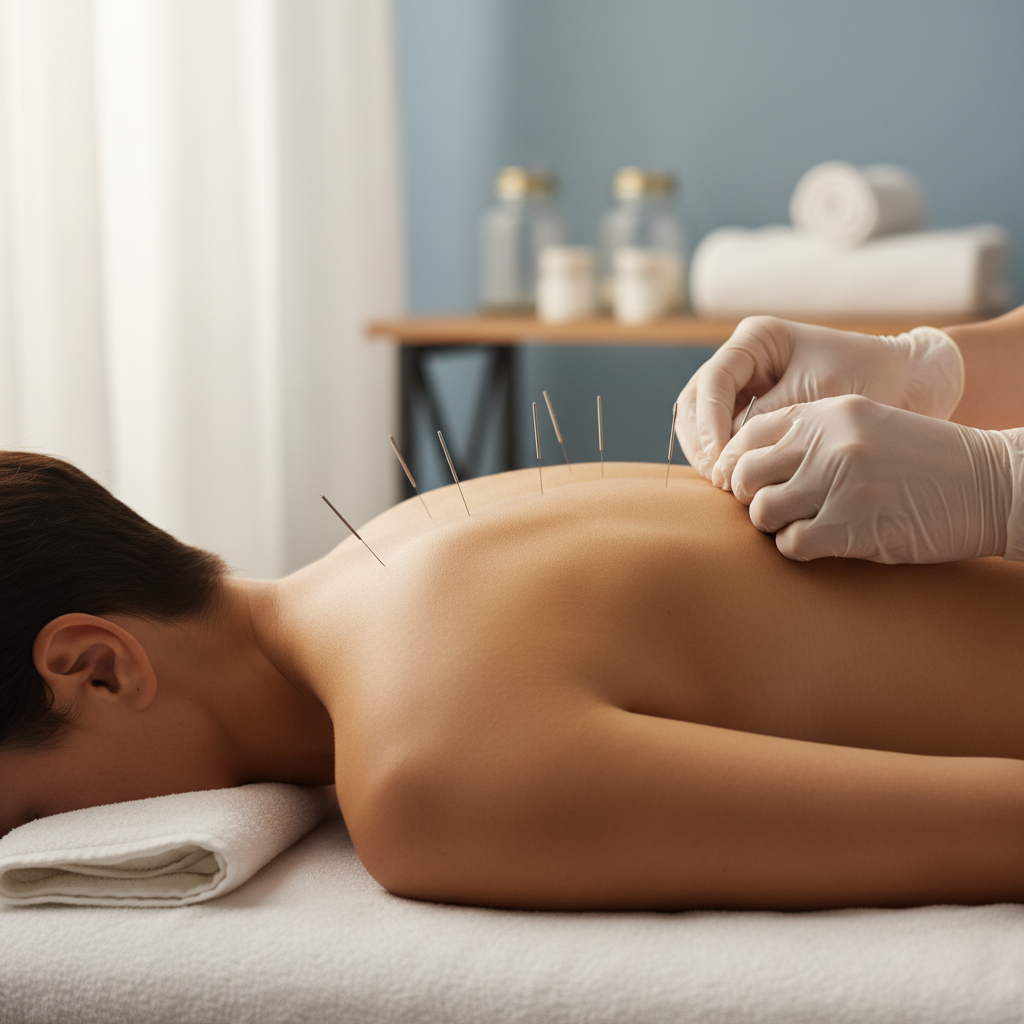
Acupuncture involves inserting needles into specific points on the body to stimulate energy flow. This therapy is based on the belief that balancing qi can address various health issues. Acupuncture is used for a wide range of conditions, including chronic pain, stress, and digestive problems.
The needles used in acupuncture are extremely thin, and most people report minimal discomfort. Sessions typically last between 20 to 40 minutes, and many patients experience a sense of calm and relaxation afterward.
Benefits of Acupuncture
- Alleviates chronic pain
- Reduces stress and anxiety
- Improves sleep quality
Choosing the Right Therapy for You
When deciding between cupping and acupuncture, consider your specific health needs and preferences. If you are dealing with muscle tension and prefer a more physical approach, cupping may be more suitable. Alternatively, if you are looking to address a broader range of conditions, acupuncture might be the better choice.
Both therapies are generally safe when performed by a qualified practitioner. Always consult with a healthcare provider to ensure that these therapies are appropriate for your individual health circumstances.

Conclusion
Cupping and acupuncture offer unique benefits for those seeking alternative therapies. By understanding their differences and consulting with professionals, you can make an informed decision about which therapy might be right for you. Whether you choose cupping, acupuncture, or a combination of both, these therapies can complement your journey towards better health and well-being.