
Acupuncture vs. Cupping: Which Therapy is Right for You?


When it comes to alternative therapies, acupuncture and cupping are two popular options that often intrigue those seeking holistic health solutions. Both have their origins in traditional Chinese medicine and offer unique benefits. But which one is right for you? Let's explore the differences and benefits of each therapy to help you make an informed decision.
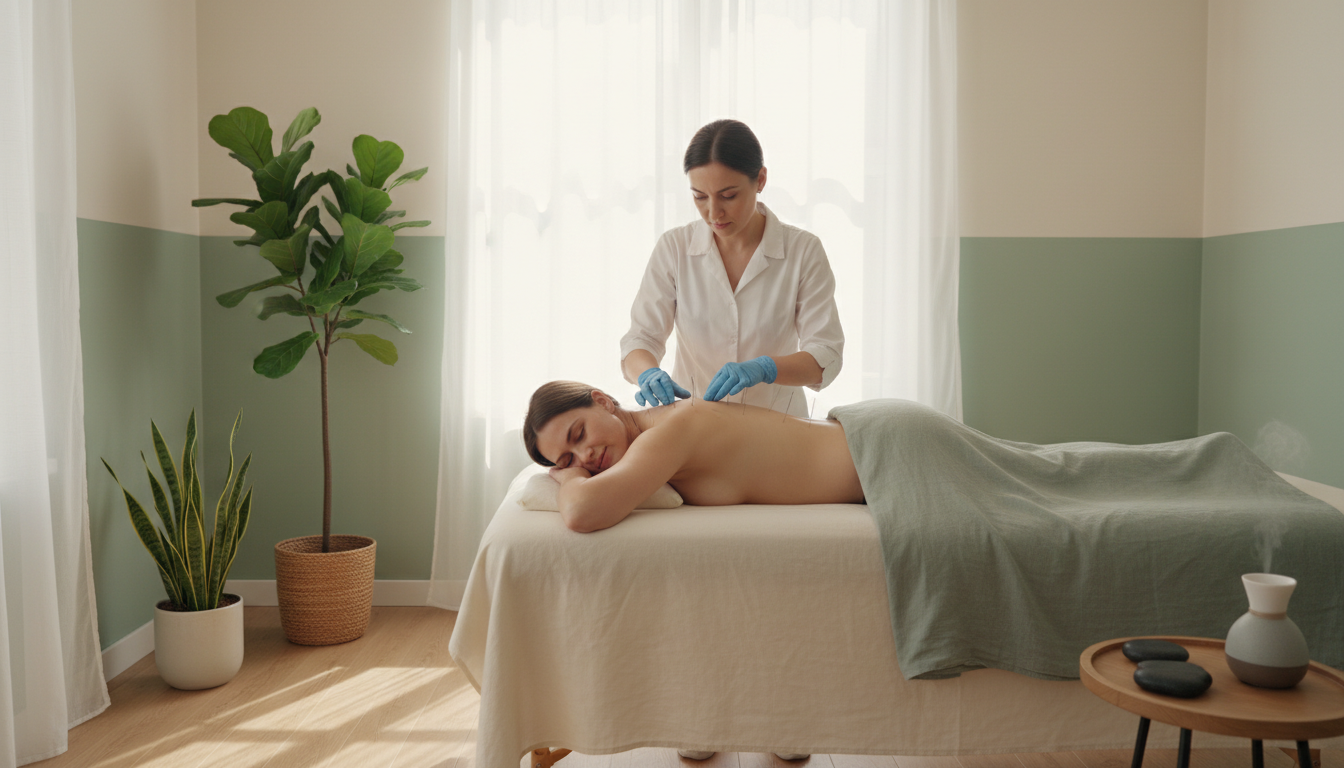
Understanding Acupuncture
Acupuncture is an ancient practice that involves inserting thin needles into specific points on the body. These points are believed to be connected by pathways called meridians, which facilitate the flow of energy, or "qi" (pronounced "chi"). The goal of acupuncture is to restore balance and promote self-healing by stimulating these points.
Benefits of Acupuncture
Acupuncture has been shown to be effective in treating a variety of conditions, including:
- Chronic pain
- Stress and anxiety
- Insomnia
- Digestive issues
Many people find acupuncture to be a relaxing experience that enhances their overall well-being. It is also known for having minimal side effects when performed by a trained professional.
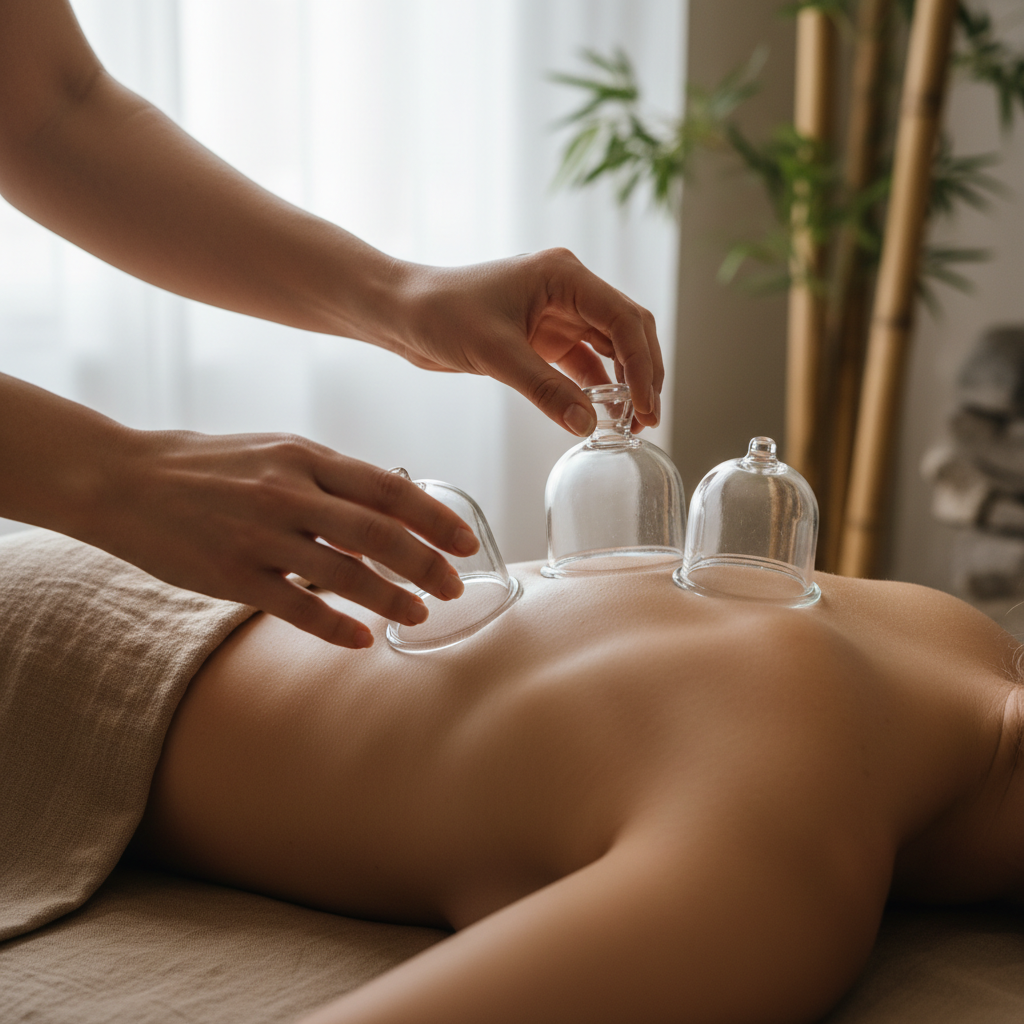
Exploring Cupping
Cupping is another therapy with a long history in traditional medicine. It involves placing cups on the skin to create suction. This suction helps increase blood flow, reduce inflammation, and promote healing. There are different types of cupping, including dry, wet, and fire cupping, each with its own method and benefits.
Benefits of Cupping
Cupping is often used to treat:
- Muscle tension and pain
- Respiratory issues
- Skin problems
- Detoxification
Many athletes and individuals with active lifestyles use cupping to speed up recovery and enhance performance.
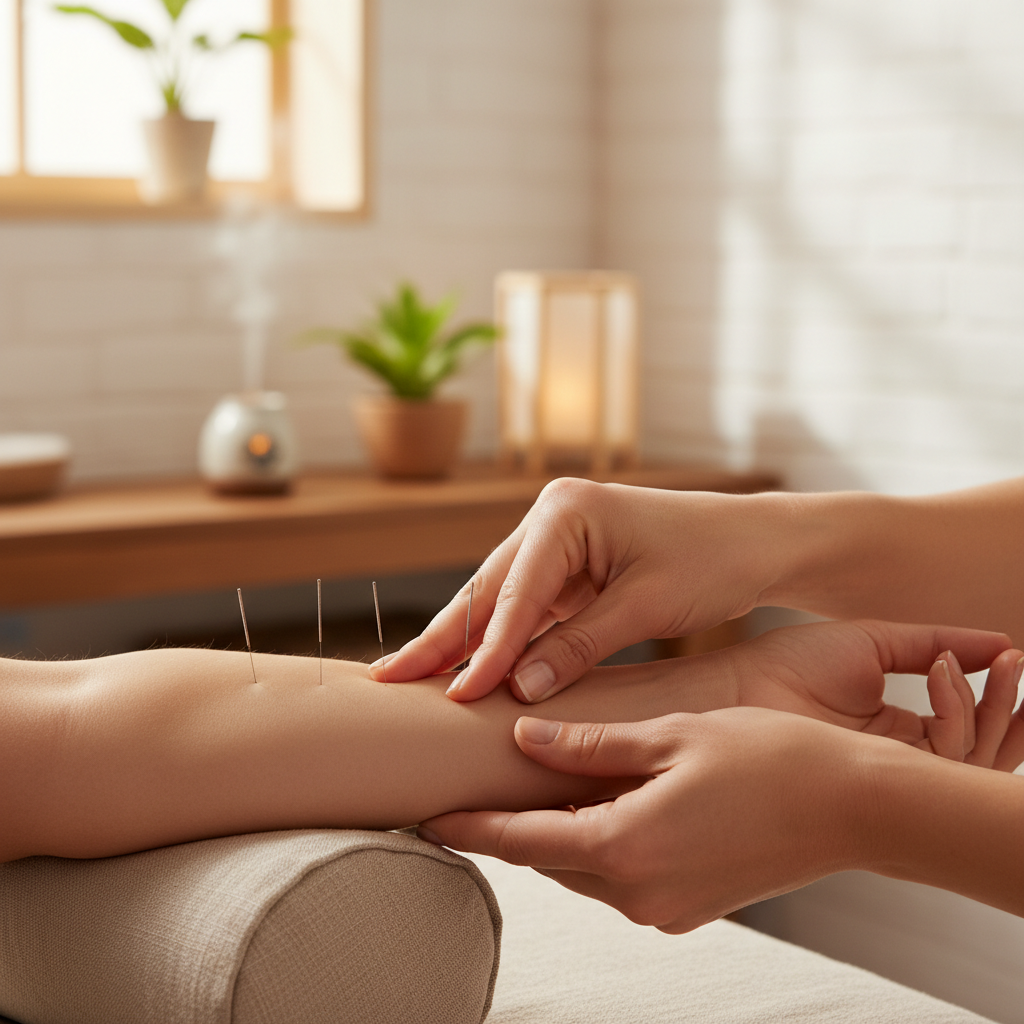
Choosing the Right Therapy
Deciding between acupuncture and cupping depends on your specific needs and preferences. If you are dealing with chronic pain or stress-related issues, acupuncture might be more beneficial. On the other hand, if you are looking to relieve muscle tension or improve circulation, cupping could be the better choice.
Consulting with a Professional
Before starting any therapy, it's crucial to consult with a qualified practitioner. They can assess your health needs and recommend the most appropriate treatment plan. Both acupuncture and cupping have their own set of contraindications, so professional guidance is essential.
Ultimately, the choice between acupuncture and cupping is a personal one. By understanding the benefits and differences of each therapy, you can make an informed decision that aligns with your health goals. Whether you choose acupuncture, cupping, or even a combination of both, these therapies offer valuable tools for enhancing your well-being.